
Hebei Jingye Precision Pipe Manufacturing Co., Ltd.
Tel:+8615373142593
+8618031823787
+8618932936052
WhatsApp: +86 15373142593
E-mail :steeltube@hbjyjt.com
Add: No. 10, Dongzhuang Village, Nandian Town, Pingshan County, Shijiazhuang City, Hebei Province
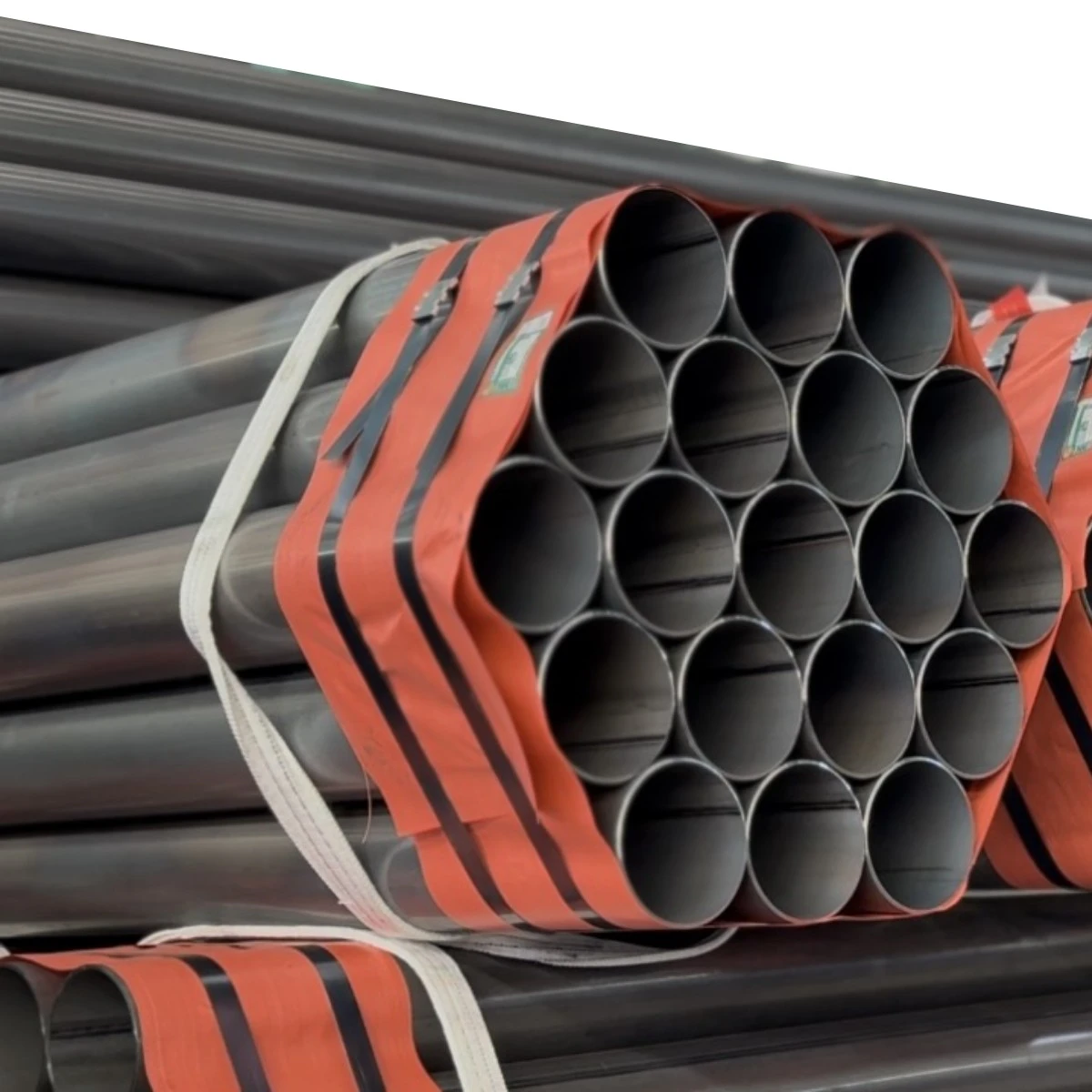
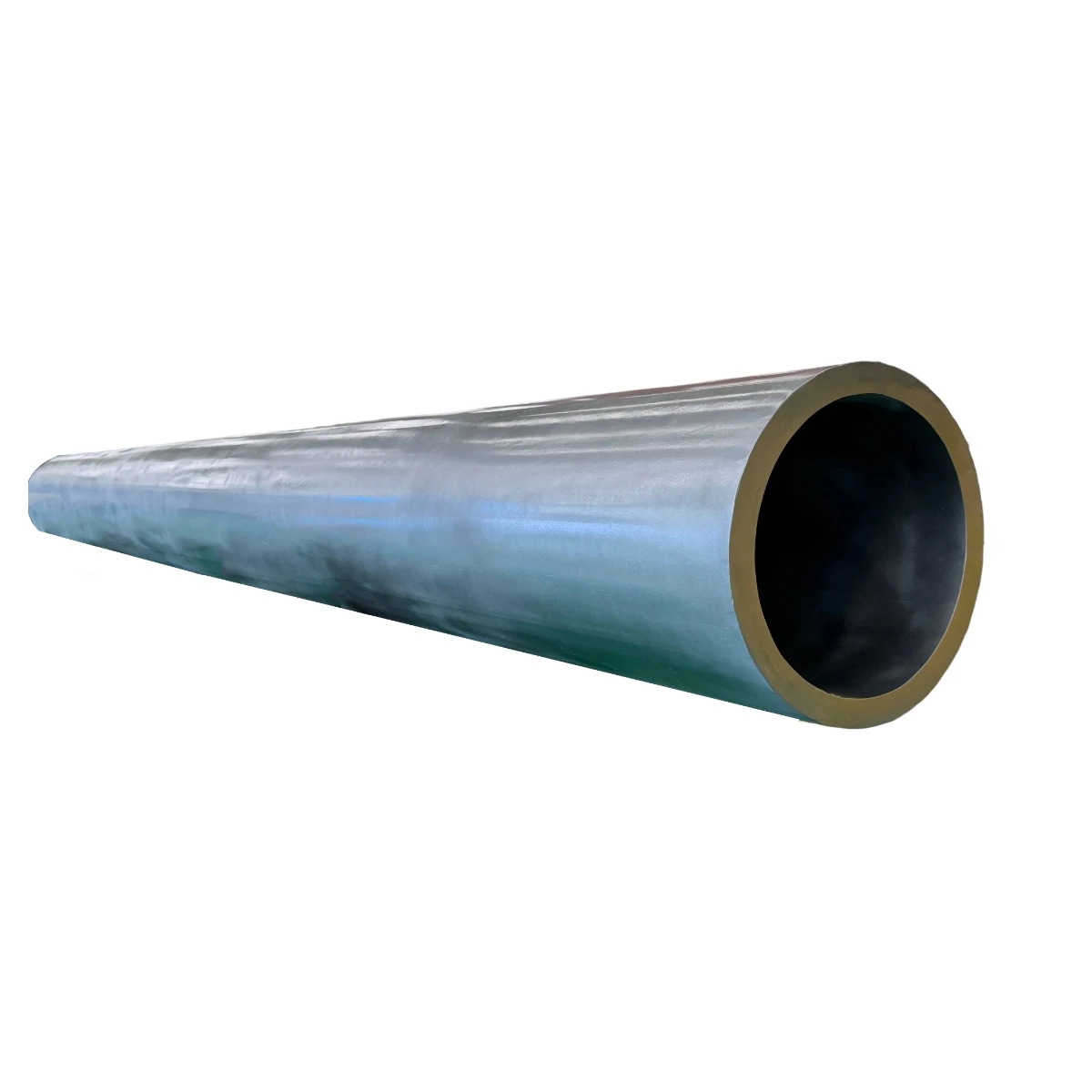
Choosing the right rust inhibitor is key to protecting round steel pipes from oxidation and corrosion during long-term storage. The selection should be based on storage cycle, environment humidity, steel pipe material, later processing needs and budget, to match the most suitable anti-rust type.
First, confirm the storage time cycle. For short-term storage within one month, use thin-layer volatile rust inhibitor oil or anti-rust powder. It forms a light protective film, easy to clean and remove later, no residue affecting cutting, welding and machining. For medium storage of one to six months, select medium-viscosity anti-rust oil with strong adhesion, which can isolate moisture and air steadily. For long-term storage over six months, choose heavy-duty rust inhibitor or wax-based anti-rust agent, featuring dense film layer, strong weather resistance, suitable for long-term warehouse stacking and seasonal humidity changes.
Second, match the storage environmental conditions. In dry inland warehouses, ordinary anti-rust oil can meet daily anti-rust needs. In humid, rainy and high-temperature environments, use water-displacing rust inhibitor to remove surface condensed water and form a waterproof protective film. For coastal areas with salt fog and high salinity atmosphere, pick salt-fog resistant special rust inhibitor, which can resist electrochemical corrosion caused by salt particles and avoid rapid rusting of round steel pipes.
Third, consider subsequent processing and usage requirements. If the round steel pipes need cutting, welding, drilling or surface spraying later, select easy-to-clean rust inhibitor without thick wax layer, so it will not affect welding quality or surface painting adhesion. For pipes used for fluid transportation and hydraulic pipelines, choose non-corrosive, oil-free clean-type rust inhibitor, to avoid residual substances polluting the pipeline inner wall and blocking fluid flow. Do not use acidic or alkaline chemical rust remover as daily protection, to prevent damaging the steel pipe base metal.
Fourth, select according to steel pipe type and material grade. Seamless round steel pipes and thin-wall pipes need mild, low-corrosity rust inhibitor to prevent pitting corrosion on inner and outer walls. Carbon steel round pipes can use conventional mineral oil-based rust inhibitors; for alloy steel pipes, adopt special synthetic anti-rust agent to avoid chemical reaction between coating and alloy components.
Fifth, focus on product quality and easy operation. Choose regular qualified rust inhibitors with stable performance, no volatile harmful substances, uniform film formation and good permeability. It should be easy to spray, brush or dip on round steel pipe surfaces and pipe ends. Meanwhile, balance cost performance, avoid low-quality inferior products with poor anti-rust effect, which may cause large-area rust loss instead of saving cost.
In summary, to select a proper rust inhibitor for round steel pipes, you need to consider storage duration, ambient humidity, coastal salt fog condition, later processing demands and steel pipe material grade. Reasonable matching can form a stable protective barrier, effectively prevent rust during storage, and keep the surface and mechanical performance of round steel pipes intact.


Contact Information: +86 15373142593, +86 18031823787, +86 13472220366 (WeChat available)
WhatsApp: +86 15373142593
Address: No. 10, Dongzhuang Village, Nandian Town, Pingshan County, Shijiazhuang, Hebei Province