
Hebei Jingye Precision Pipe Manufacturing Co., Ltd.
Tel:+8615373142593
+8618031823787
+8618932936052
WhatsApp: +86 15373142593
E-mail :steeltube@hbjyjt.com
Add: No. 10, Dongzhuang Village, Nandian Town, Pingshan County, Shijiazhuang City, Hebei Province
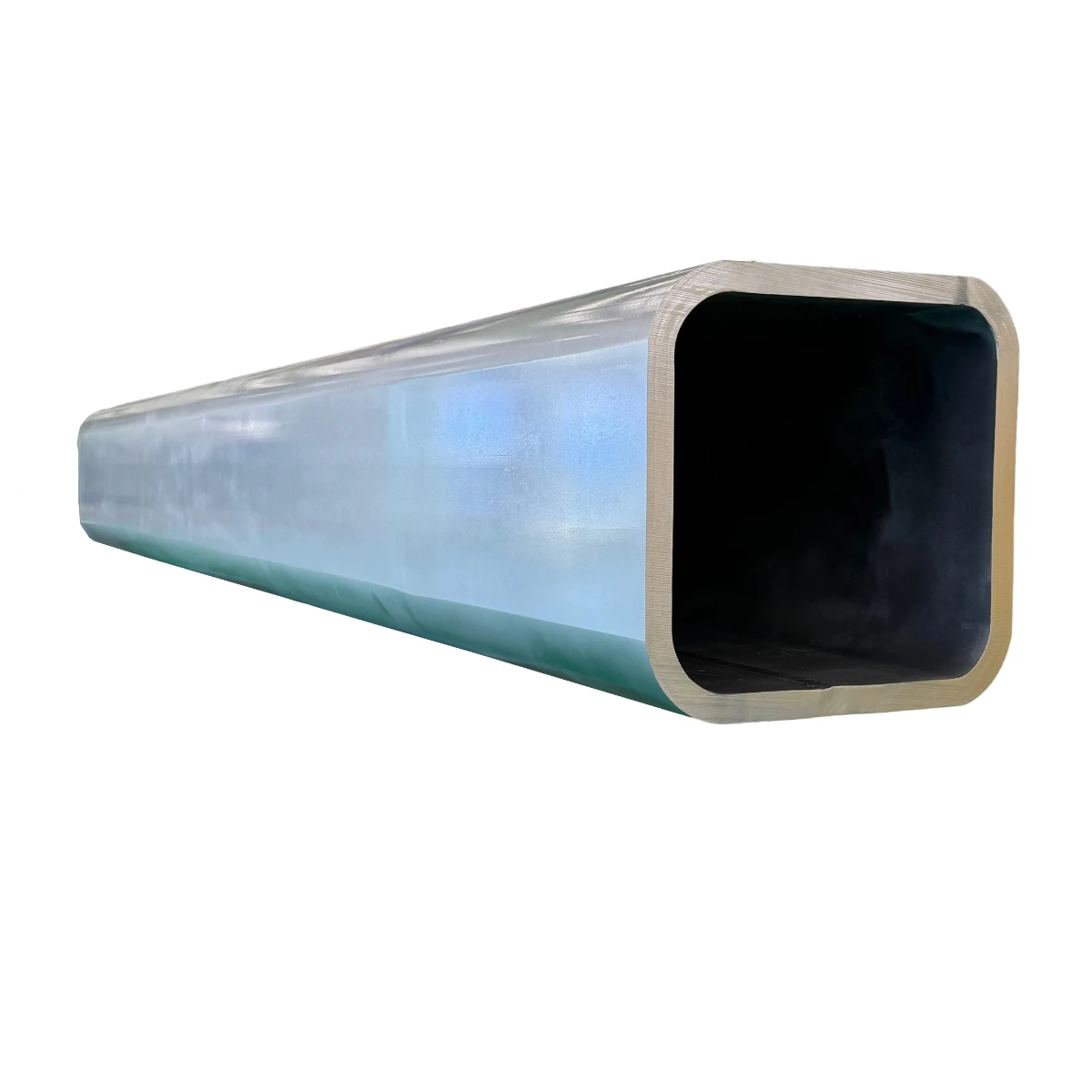
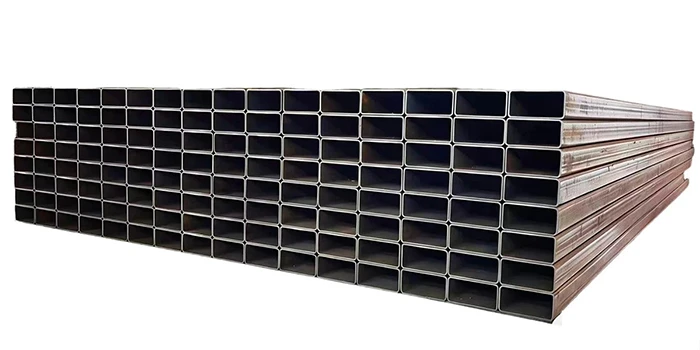
Selecting the right size and wall thickness of square steel pipes is critical for mechanical manufacturing. Proper specifications ensure structural stability, load-bearing safety, vibration resistance and cost control, while improper selection easily causes deformation, cracking or material waste. Following professional selection principles can help engineers and buyers make accurate matching for mechanical equipment frames, brackets and support parts.
First, confirm the actual load-bearing requirement. Calculate static load, dynamic load and vibration load according to the mechanical equipment weight, bearing pressure and working conditions. Heavier main frames and stress-bearing structural parts need larger section size and thicker wall thickness. For light-load auxiliary brackets, small-size and thin-wall square steel pipes are enough to meet usage demands. Never choose specifications only by experience, avoid insufficient bearing capacity leading to bending deformation in operation.
Second, consider working environment and service conditions. If the machinery runs in humid, outdoor, dusty or corrosive scenarios, properly increase wall thickness to reserve corrosion allowance, preventing later performance decline caused by rust and thinning. For equipment with frequent vibration and alternating load, select medium and thick wall square steel pipes to improve toughness and fatigue resistance, reduce the risk of structural fracture. Indoor static equipment can adopt relatively thin-wall specifications to save cost.
Third, match installation space and structural design size. Refer to the overall structure layout of mechanical equipment, confirm the limited installation space, and select the outer side length of square steel pipes reasonably. Ensure the pipe size matches connecting parts, mounting holes and assembly dimensions. Too large size will waste space and material; too small will affect overall structural stability and assembly convenience. Keep uniform specification series for the whole equipment frame to facilitate processing and interchangeability.
Fourth, take processing and welding performance into account. Ultra-thin wall square steel pipes are easy to deform during cutting, welding and bending, not suitable for mechanical parts requiring high precision. Too thick wall will increase processing difficulty, welding workload and production cost. It is better to choose conventional standard sizes, which are easy to purchase, process and replace, and have stable welding forming effect without easy distortion.
Fifth, balance cost performance and standard specifications. Prioritize square steel pipes that comply with international standard sizes. Standard specifications have stable supply, short delivery time and lower comprehensive cost. Avoid non-standard customized sizes unnecessarily, which will prolong production cycle and raise procurement price. On the premise of meeting strength and safety requirements, optimize size and wall thickness to reduce redundant material consumption and control manufacturing cost.
In conclusion, choosing square steel pipe size and thickness for mechanical manufacturing should start with load demand, working environment, installation space, processing performance and cost budget. Scientific selection ensures mechanical structure safety, stable operation and reasonable procurement cost, which is the key foundation for high-quality mechanical equipment manufacturing.


Contact Information: +86 15373142593, +86 18031823787, +86 13472220366 (WeChat available)
WhatsApp: +86 15373142593
Address: No. 10, Dongzhuang Village, Nandian Town, Pingshan County, Shijiazhuang, Hebei Province