
Hebei Jingye Precision Pipe Manufacturing Co., Ltd.
Tel:+8615373142593
+8618031823787
+8618932936052
WhatsApp: +86 15373142593
E-mail :steeltube@hbjyjt.com
Add: No. 10, Dongzhuang Vilage, Nandian Town, Pingshan County, Shijiazhuang City, Hebei Province
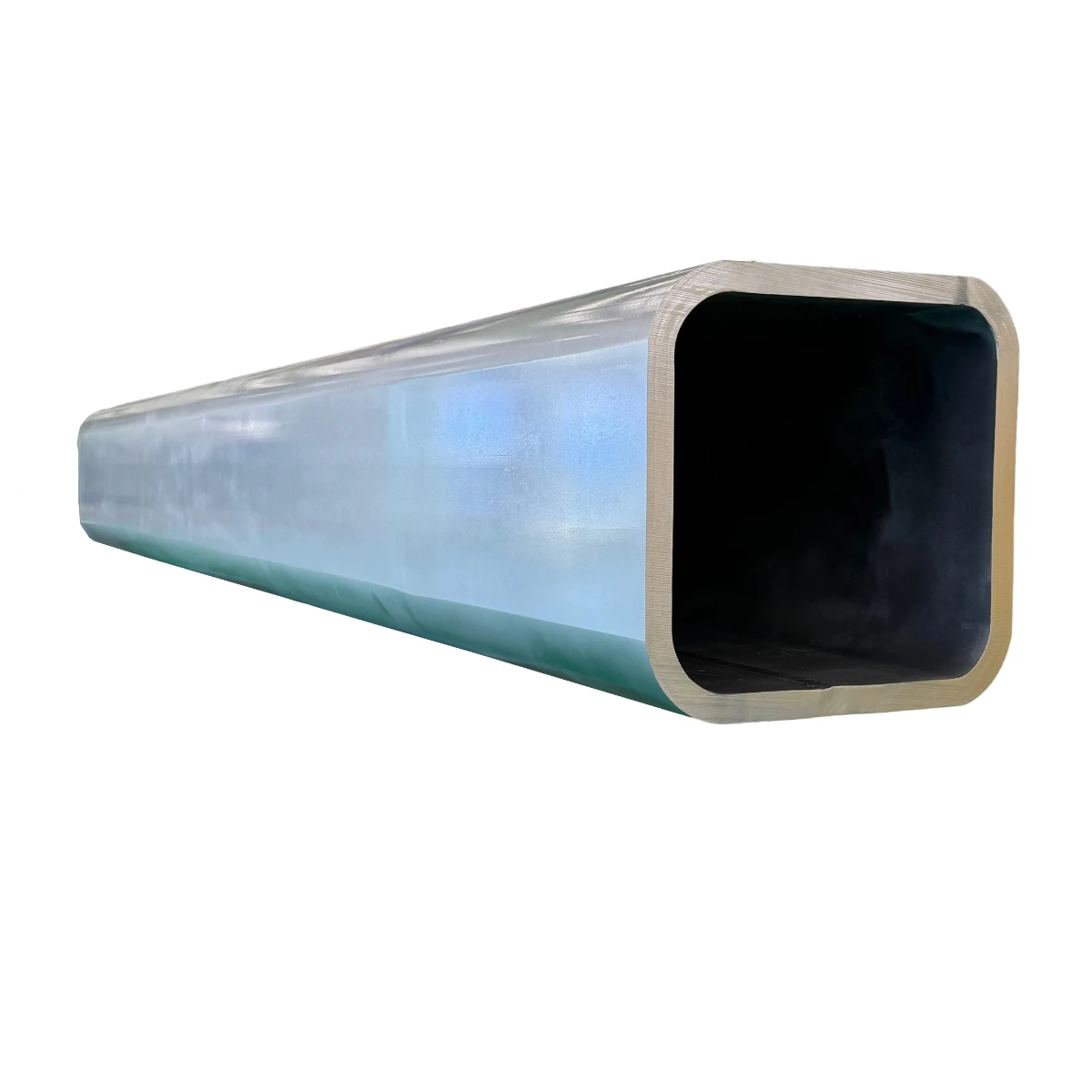
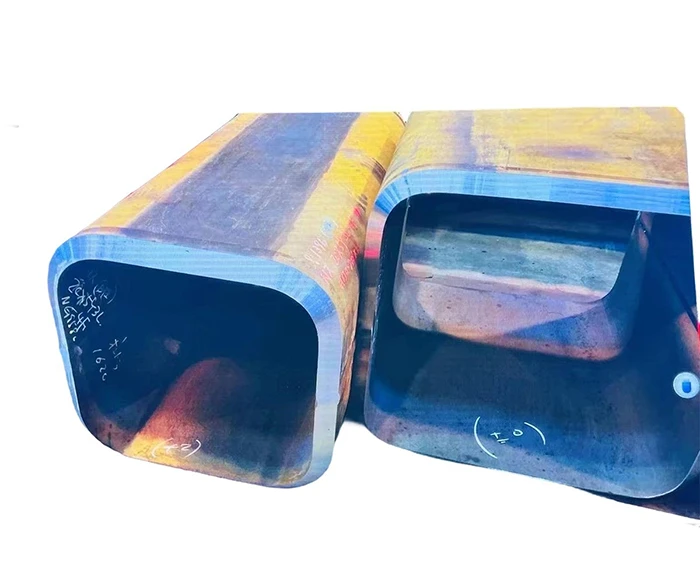
Square steel pipes are widely used for equipment frames, support brackets, mechanical bases and structural parts in mechanical manufacturing. To guarantee long-term safety, stability and operational reliability, it is necessary to control raw material quality, standardized processing, scientific structural design, proper installation and daily maintenance in the whole application process.
First, strictly control raw material selection and quality inspection. Choose square steel pipes that comply with international standards such as ASTM, ISO and national industrial specifications. Verify material chemical composition, yield strength, tensile strength and elongation to ensure the steel grade matches mechanical load requirements. Avoid recycled materials and substandard pipes with surface cracks, pits, uneven wall thickness and corner defects. Conduct random sampling and dimensional tolerance inspection to prevent unqualified square steel pipes from entering production and processing links.
Second, optimize structural design and reasonable load matching. In mechanical manufacturing design, select appropriate specification, wall thickness and section size according to bearing weight, vibration frequency and working environment. Avoid overloading and long-term eccentric force on square steel pipe components. Reinforce key stress positions with backing plates and strengthening ribs to reduce stress concentration at pipe corners, effectively preventing bending, twisting and fatigue fracture under long-term dynamic load.
Third, standardize cutting, welding and processing technology. Use professional cutting equipment to ensure smooth pipe incision and vertical section. Adopt standardized welding procedures for pipe connection, avoid missing welding, virtual welding and welding deformation. Remove welding slag in time and do flaw detection for important mechanical structural parts. Keep the overall flatness and verticality of assembled square steel pipe frames to prevent structural deviation from causing hidden safety risks during equipment operation.
Fourth, do a good job in surface anti-corrosion and protective treatment. Mechanical equipment often works in humid, dusty or slightly corrosive environments. Carry out rust removal, pickling, spraying paint, galvanizing or other anti-corrosion treatments on square steel pipes. Complete surface protection can effectively avoid oxidation rust and chemical corrosion, prevent wall thickness thinning and performance decline, and prolong the service life of mechanical structural parts.
Fifth, standardize installation, assembly and fixed connection. Use matching bolts, welding fixing and positioning supports during installation to ensure firm connection of each pipe component. Avoid forced assembly and uneven stress. For mechanical parts with frequent vibration, add shock-absorbing gaskets and anti-loosening measures to prevent bolt loosening and structural displacement in long-term operation.
Sixth, implement regular inspection and daily maintenance. Regularly check square steel pipe frames for deformation, crack, rust and loose connection. Timely repair and reinforce abnormal parts, replace seriously aged and corroded components. Establish regular maintenance records to keep mechanical structural parts in stable working condition all the time.
In conclusion, the safety and reliability of square steel pipes in mechanical manufacturing depend on strict material selection, scientific design, standardized processing, anti-corrosion protection, standardized installation and daily maintenance. Full-process control can effectively eliminate potential risks and ensure stable and long-term operation of mechanical equipment.


Contact Information: +86 15373142593, +86 18031823787, +86 13472220366 (WeChat available)
WhatsApp: +86 15373142593
Address: No. 10, Dongzhuang Village, Nandian Town, Pingshan County, Shijiazhuang, Hebei Province