
Hebei Jingye Precision Pipe Manufacturing Co., Ltd.
Tel:+8615373142593
+8618031823787
+8618932936052
WhatsApp: +86 15373142593
E-mail :steeltube@hbjyjt.com
Add: No. 10, Dongzhuang Village, Nandian Town, Pingshan County, Shijiazhuang City, Hebei Province
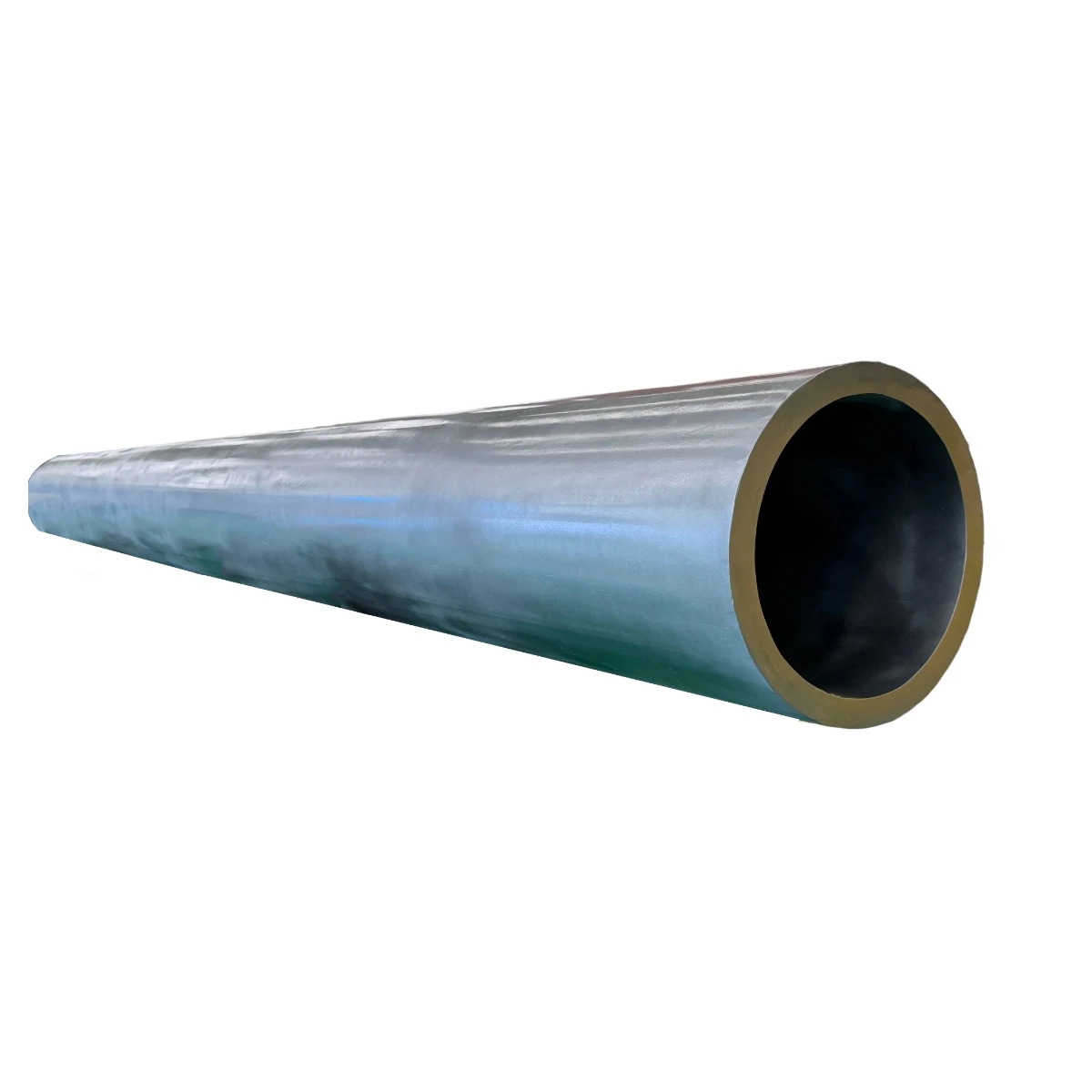
Round steel pipe deformation is a common issue during long-distance shipping, truck transportation and container loading. Extrusion, collision, uneven stacking and improper binding will cause pipe bending, oval deformation and end flattening, which directly affects subsequent installation and project use. Taking targeted protective and loading measures can effectively avoid round steel pipe deformation in transportation.
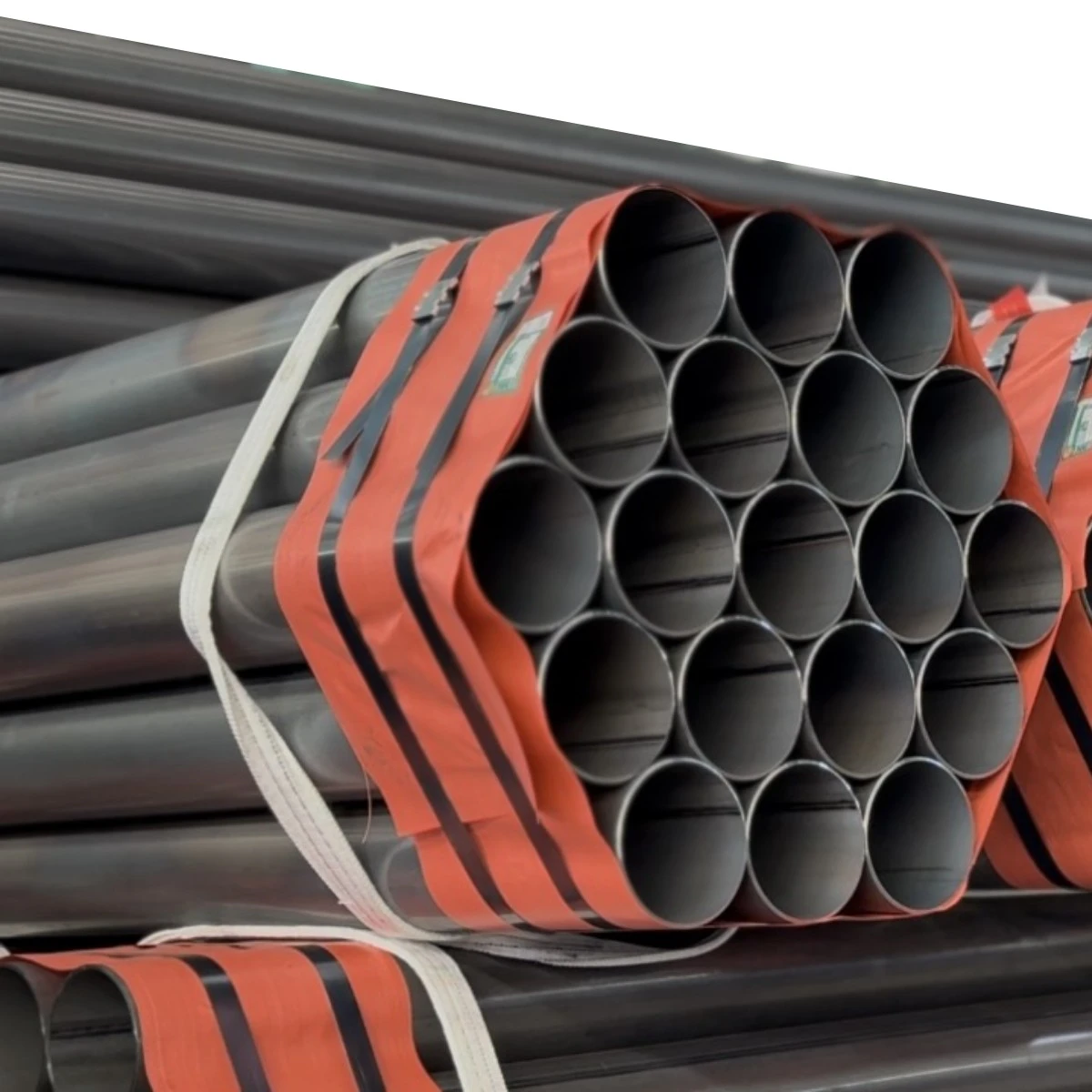
First, do a good job in individual product protection before loading. Wrap both ends of each round steel pipe with plastic end caps or thick cardboard to prevent pipe mouth flattening and edge collision damage. For thin-wall round steel pipes, add inner support rings at both ends to keep the circular shape and avoid oval deformation caused by external extrusion. Wrap the pipe surface with protective film or woven belt to reduce friction and scratch, and avoid direct hard contact between steel pipes.
Second, standardize stacking and arrangement rules. Classify round steel pipes by diameter and wall thickness, and place pipes of the same specification together. Do not mix large and small diameter pipes in one pile, otherwise small pipes are easily squeezed and deformed. Place wooden pallets or rubber cushion blocks at the bottom of the cargo area to keep the steel pipes away from the vehicle floor, buffer vibration and prevent rolling. Keep each layer neatly arranged in rows, without random crossing or messy stacking.
Third, use scientific binding and fixing methods. Apply steel strapping or flexible tension belts at regular intervals along the pipe pile, with cushion gaskets between the strap and the pipe surface to avoid local pressure dent. Fix the whole pipe pile firmly on the transport vehicle or container to prevent sliding and rolling during driving, braking and bumpy road conditions. For ultra-long round steel pipes, set up limit brackets on both sides to avoid lateral shaking and bending deformation.
Fourth, control loading weight and stacking height. Do not overload transportation, and strictly limit the stacking height according to pipe wall thickness. Thin-wall round steel pipes should not be stacked too high, to prevent the upper weight from crushing and deforming the bottom pipes. Arrange thick-wall and high-rigidity pipes at the bottom as support, and place thin-wall pipes on the upper layer reasonably. Avoid concentrated heavy pressure on local positions of the pipe pile.
Fifth, choose professional transportation and handling ways. Use forklifts with soft cushion brackets for loading and unloading, do not use steel wire ropes to directly tie and lift the pipe body, so as not to cause local indentation and bending. Avoid rough throwing, dragging and rolling during handling. For sea freight container transportation, fill the gap between pipe piles with wooden blocks and cushion materials to eliminate shaking space and keep the overall structure stable.
In short, solving round steel pipe transportation deformation starts with end protection, standardized stacking, firm binding, reasonable load control and gentle handling. Complete protective measures can keep the round steel pipes in perfect roundness and straightness, ensuring intact quality when arriving at the destination.


Contact Information: +86 15373142593, +86 18031823787, +86 13472220366 (WeChat available)
WhatsApp: +86 15373142593
Address: No. 10, Dongzhuang Village, Nandian Town, Pingshan County, Shijiazhuang, Hebei Province