
Hebei Jingye Precision Pipe Manufacturing Co., Ltd.
Tel:+8615373142593
+8618031823787
+8618932936052
WhatsApp: +86 15373142593
E-mail :steeltube@hbjyjt.com
Add: No. 10, Dongzhuang Vilage, Nandian Town, Pingshan County, Shijiazhuang City, Hebei Province
Identifying the quality of round steel pipes correctly is essential for global buyers, engineering contractors and industrial users. High-quality round steel pipes feature stable mechanical performance, smooth surface, accurate size and strong corrosion resistance, while inferior products are easy to have rust, deformation, crack and pressure leakage problems. Mastering professional identification methods can help you avoid unqualified goods and ensure project safety and long-term service life.
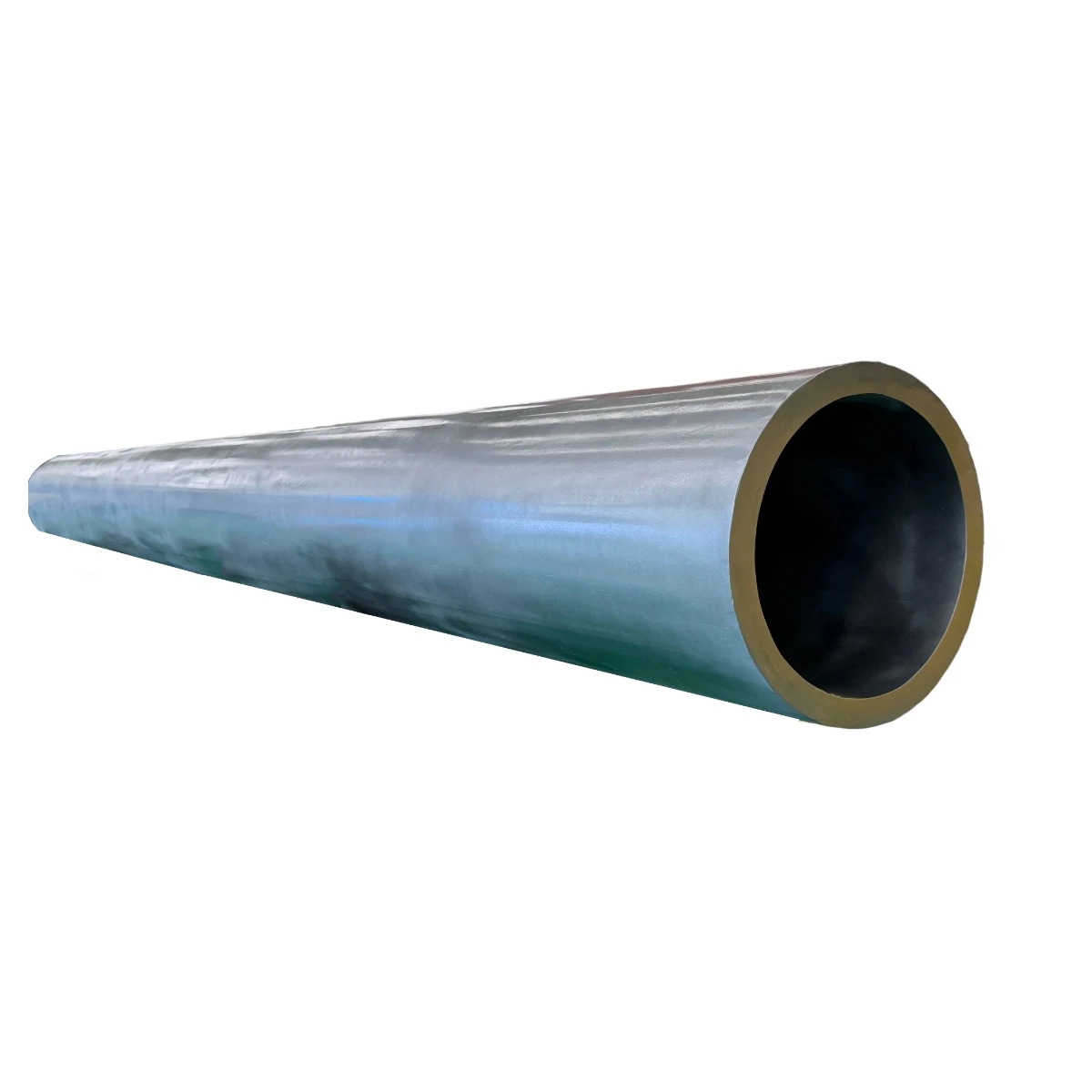
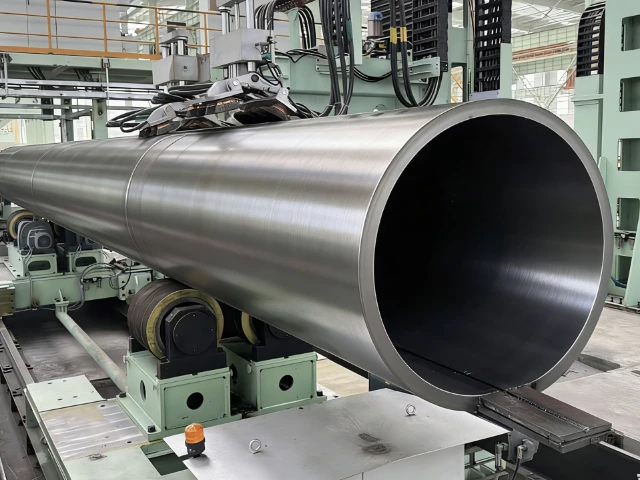
First, check the surface appearance visually. Qualified round steel pipes have a smooth and even outer and inner wall, without cracks, folds, bubbles, scars or obvious burrs. The surface color is uniform in tone, no serious oxidation rust or uneven coating. Inferior round pipes often have rough surfaces, pitted spots, uneven thickness and irregular indentations. In addition, the pipe end should be flat and vertical to the pipe body, without burrs or oblique cutting; irregular pipe ends are typical signs of low-quality processing.
Second, inspect dimensional accuracy. High-quality round steel pipes have standard outer diameter, wall thickness and length with small tolerance. You can use calipers and tape measures to randomly measure multiple positions of the pipe body. Good pipes keep consistent wall thickness all around, no eccentricity phenomenon. Unqualified round pipes usually have large deviation in outer diameter and wall thickness, obvious eccentricity, which will affect load-bearing capacity and later installation matching.
Third, verify material composition and mechanical properties. Reliable manufacturers can provide official material certificates, chemical composition reports and mechanical test data including tensile strength, yield strength and elongation. Qualified round steel pipes meet ASTM, API, ISO and other international standards, with stable internal structure and good pressure resistance and impact resistance. Low-quality pipes often use recycled scrap steel, with unqualified chemical components, easy to break or deform under pressure and low temperature conditions.
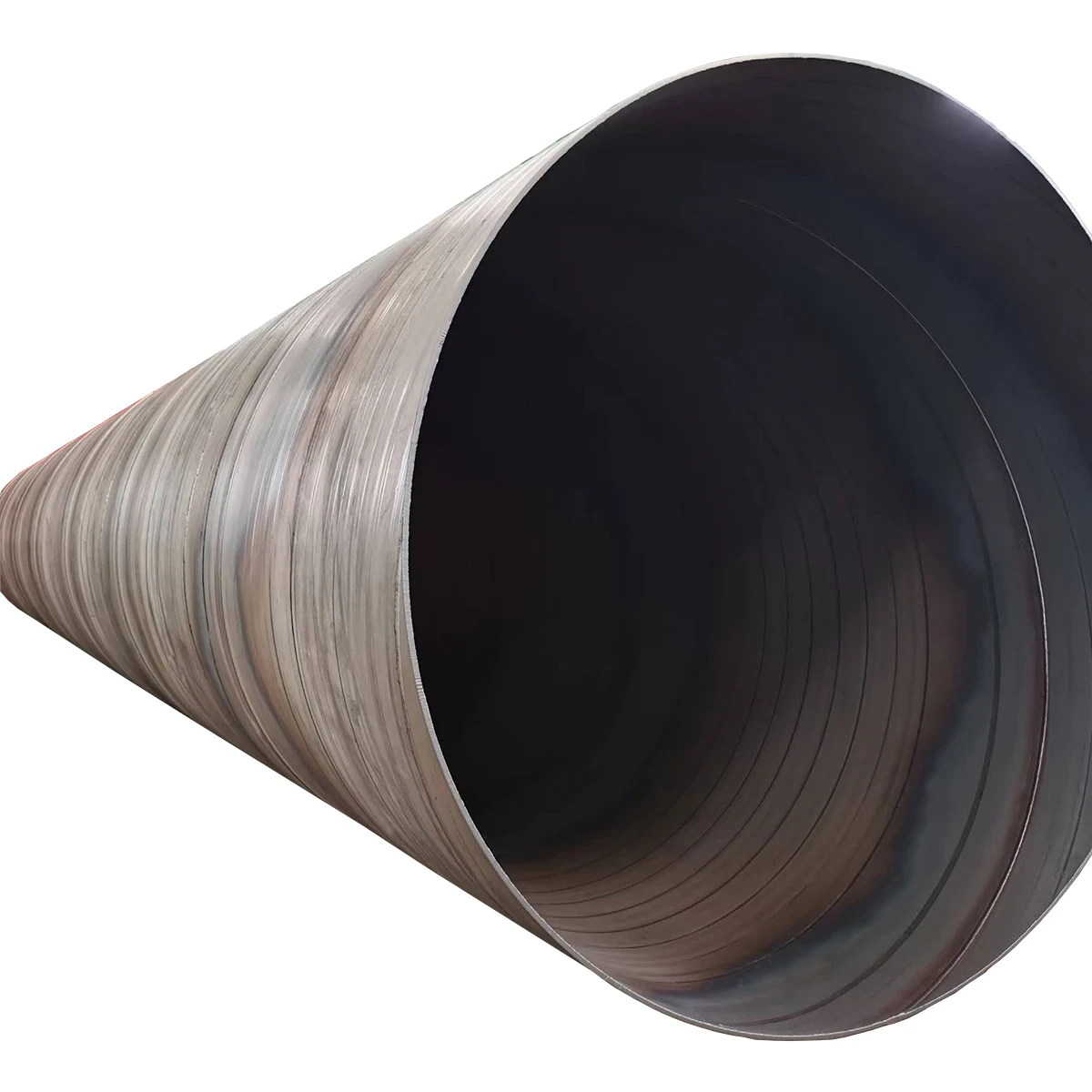
Fourth, carry out simple performance and process testing. For welded round steel pipes, check the weld seam closely. High-quality welds are smooth and fused perfectly with the pipe body, no missing welding, virtual welding or crack. Seamless round steel pipes have no weld trace and integrated forming. You can also do simple pressure test and drop test; qualified pipes will not leak, crack or deform under normal pressure and impact.
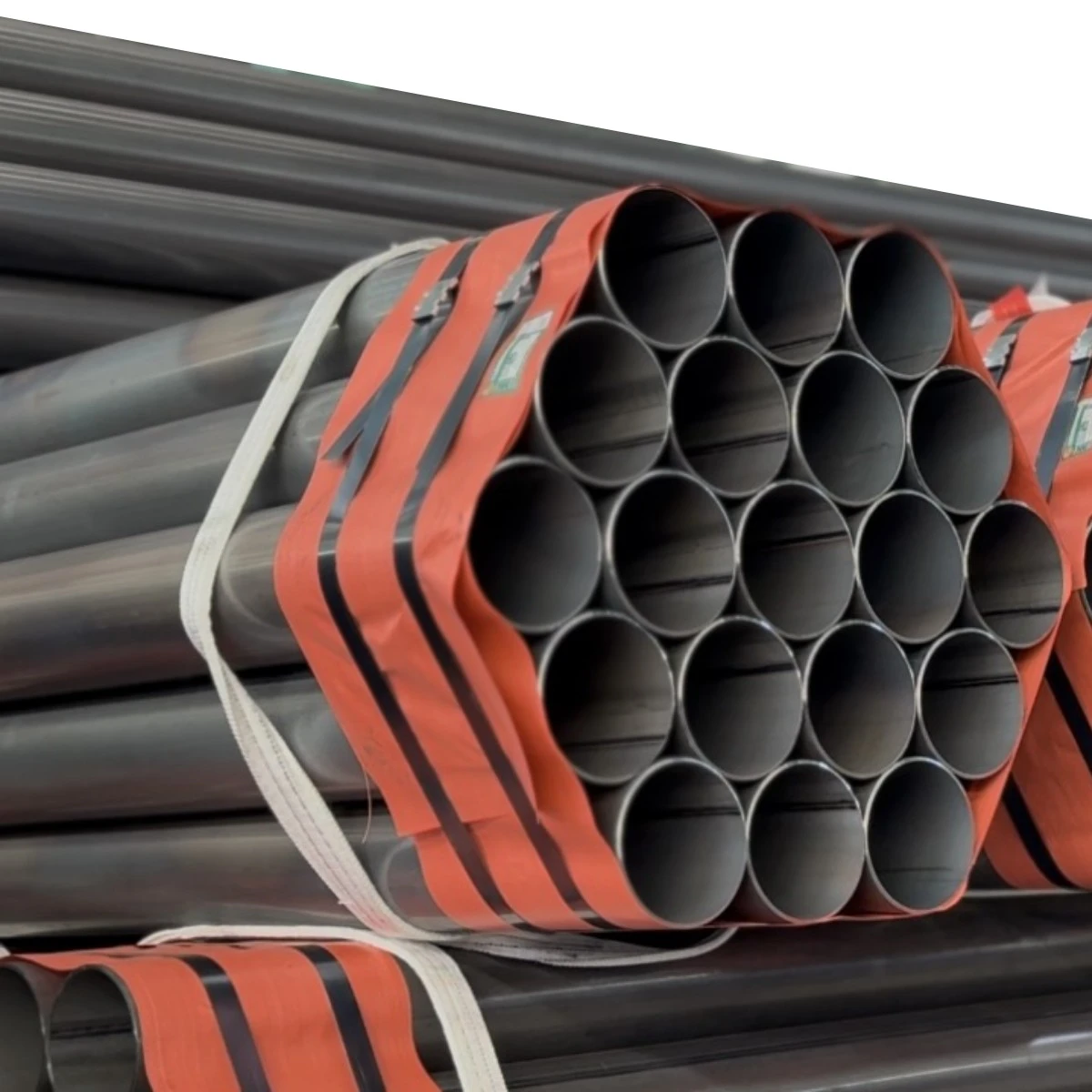
Fifth, check packaging and factory certification. Formal high-quality round steel pipes are packed neatly with steel strips, marked with standard specifications, material grade, production standard and manufacturer information. Complete factory certificates, inspection reports and quality certification are indispensable. Inferior products usually have rough packaging, unclear marks and incomplete qualification documents.
In conclusion, identifying round steel pipe quality can be done from surface appearance, dimensional tolerance, material performance, weld quality and formal certification. Strict quality inspection before purchasing helps avoid economic loss and hidden safety risks. If you need standard round steel pipes with complete test reports and stable quality, you can contact us for professional procurement support.


Contact Information: +86 15373142593, +86 18031823787, +86 13472220366 (WeChat available)
WhatsApp: +86 15373142593
Address: No. 10, Dongzhuang Village, Nandian Town, Pingshan County, Shijiazhuang, Hebei Province