
Hebei Jingye Precision Pipe Manufacturing Co., Ltd.
Tel:+8615373142593
+8618031823787
+8618932936052
WhatsApp: +86 15373142593
E-mail :steeltube@hbjyjt.com
Add: No. 10, Dongzhuang Vilage, Nandian Town, Pingshan County, Shijiazhuang City, Hebei Province
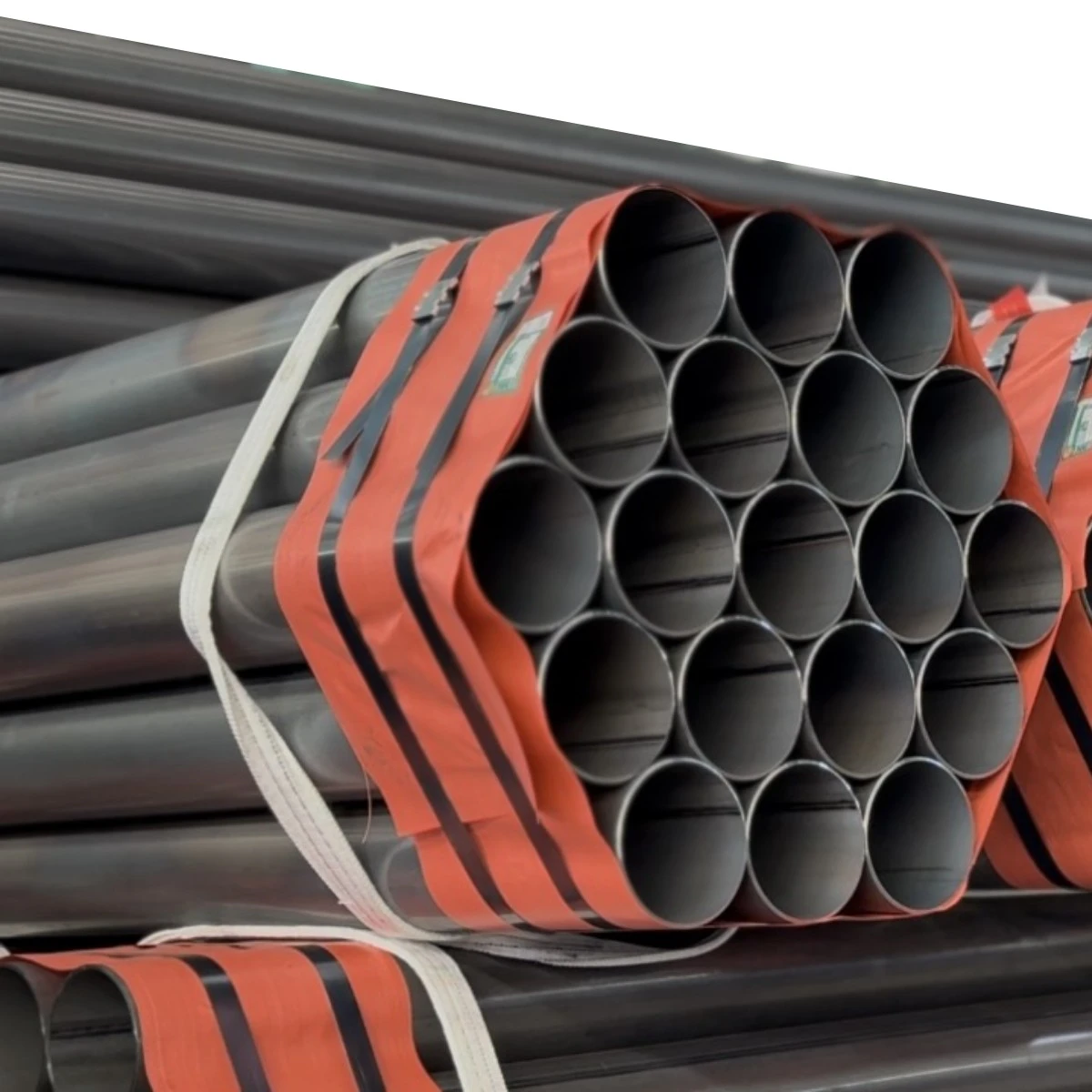
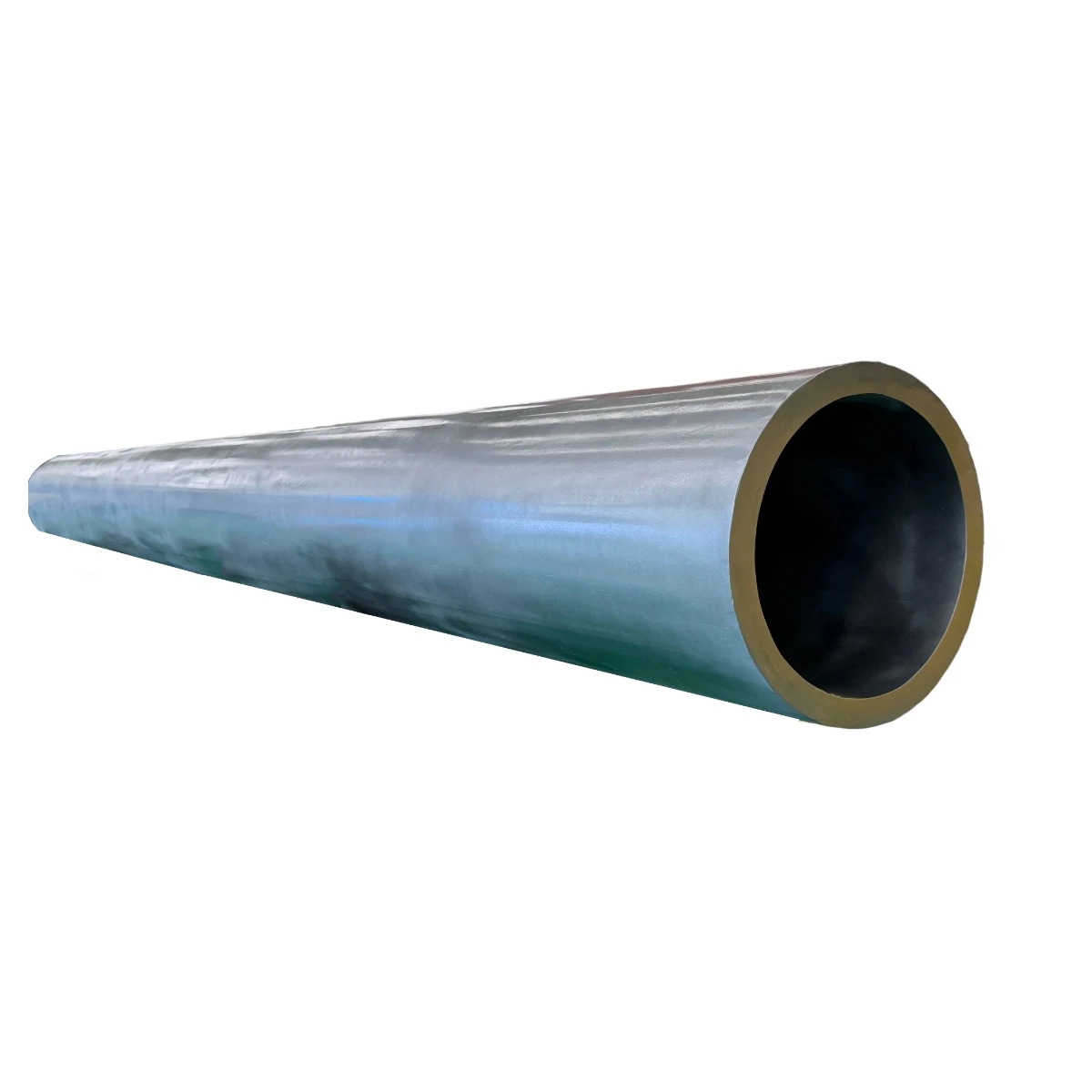
A common concern for global buyers, contractors, and project managers in cross-border steel trade is whether round steel pipes can be cut and processed according to specific project requirements. As a versatile hollow steel product widely used in construction, petroleum, automotive, marine, and precision machinery industries, round steel pipes often need customized cutting and processing to match the size, shape, and functional needs of different projects. The answer is clear: round steel pipes can be flexibly cut and processed according to requirements, and professional processing technologies ensure that the processed pipes maintain their original mechanical properties, dimensional accuracy, and corrosion resistance.
1. Feasibility of Custom Cutting and Processing of Round Steel Pipes
Round steel pipes—whether seamless or welded, made of carbon steel, stainless steel, or alloy steel—are highly processable and can be customized according to project specifications and application needs. The feasibility is mainly reflected in two aspects: first, the material of round steel pipes (such as carbon steel Q235/Q355, stainless steel 304/316) has good ductility and machinability, which can withstand cutting, drilling, bending, and other processing without easily breaking or deforming; second, mature processing technologies and professional equipment (such as cutting machines, drilling machines, bending machines) can achieve precise control of processing dimensions, ensuring that the processed products meet the design requirements of global projects.
For global buyers, customized cutting and processing of round steel pipes can effectively reduce on-site construction time, avoid material waste, and improve project efficiency. Most professional round steel pipe suppliers provide one-stop customization services, including cutting to length, beveling, drilling, threading, and bending, which can meet the diverse needs of different industries and projects.
2. Common Cutting and Processing Methods for Round Steel Pipes
Different processing needs (such as cutting length, precision, and material) require different processing methods. Below are the most commonly used methods in global industry practice, suitable for different scenarios and requirements:
2.1 Cutting to Length (The Most Common Custom Processing)
Cutting to length is the most basic and widely used processing method, which cuts the original long round steel pipes (usually 6-12 meters) into the required length (such as 1m, 2.5m, 5m) according to project needs. Common cutting equipment includes:
Plasma Cutting: Suitable for carbon steel, stainless steel, and alloy steel round steel pipes, with fast cutting speed, high efficiency, and smooth cutting surface. It is suitable for large-batch cutting and thick-walled round steel pipes (wall thickness >10mm), complying with ASTM A513 and EN 10219 standards.
Laser Cutting: High precision (cutting deviation ≤±0.1mm), smooth cutting surface, no burrs, suitable for thin-walled round steel pipes (wall thickness ≤5mm) and high-precision projects (such as automotive parts, precision machinery). It can cut complex shapes and is widely used in high-end manufacturing.
Abrasive Cutting: Suitable for small-batch cutting, low cost, easy to operate, but the cutting surface may have burrs, which need subsequent polishing. It is suitable for general construction scenarios with low precision requirements.
2.2 Beveling Processing
Beveling is to process the end of the round steel pipe into a certain angle (usually 30°, 45°, 60°), which is mainly used for welding connection. Beveling ensures full penetration during welding, improving the welding strength and sealing. Common beveling equipment includes beveling machines and grinding machines, which can process bevels of different angles according to welding requirements.
2.3 Drilling and Threading
Drilling and threading are required for round steel pipes used in connection, installation, and fixing (such as pipeline flanges, supports). Drilling is to open holes of specified size on the pipe surface, and threading is to process internal or external threads at the pipe ends. Professional drilling machines and threading machines ensure that the holes and threads are precise, uniform, and compatible with connecting parts (such as bolts, nuts).
2.4 Bending and Forming
For projects that require curved round steel pipes (such as bridge supports, automotive exhaust pipes, and decorative components), bending and forming processing is needed. Using a pipe bending machine, the round steel pipe can be bent into a specified arc (such as 90°, 180°, or custom curves) without damaging the pipe surface and internal structure. For stainless steel and thin-walled round steel pipes, cold bending is usually adopted to avoid deformation and corrosion caused by high temperature.
3. Key Considerations for Custom Cutting and Processing
To ensure that the cut and processed round steel pipes meet the project requirements and maintain their original quality, global buyers and suppliers need to pay attention to the following key points:
3.1 Clarify Processing Requirements in Advance
When placing an order, clearly specify the processing requirements, including cutting length, bevel angle, hole position and size, thread specification, and bending arc. Provide detailed design drawings if necessary to avoid misunderstandings and ensure that the processed products match the project design.
3.2 Select Appropriate Processing Methods According to Material and Specification
Different materials and specifications of round steel pipes require different processing methods. For example, stainless steel round steel pipes should avoid high-temperature cutting (such as flame cutting) to prevent damage to the surface passivation film; thin-walled round steel pipes should use laser cutting or cold bending to avoid deformation; thick-walled round steel pipes are suitable for plasma cutting and hot bending.
3.3 Ensure Processing Precision
Processing precision directly affects the installation and use effect of round steel pipes. Require the supplier to use professional equipment and conduct strict precision inspection (such as using calipers, micrometers to detect cutting length and hole size) to ensure that the processing deviation is within the allowable range (usually ≤±0.1mm for high-precision projects).
3.4 Protect the Pipe Surface During Processing
During cutting, drilling, and bending, avoid scratching the pipe surface (especially for galvanized, painted, or stainless steel round steel pipes). Use protective sleeves, plastic film, or lubricants to protect the surface, and polish the cutting surface and burrs in time to prevent rust and corrosion.
3.5 Comply with International Standards
The cutting and processing of round steel pipes should comply with relevant international standards, such as ASTM A53, EN 10216, and GB/T 8163, to ensure the processing quality and compatibility with global project standards. Require the supplier to provide processing inspection reports to confirm that the processed products meet the standards.
4. Tips for Global Buyers in Custom Processing
1. Choose a supplier with professional processing capabilities: Select round steel pipe suppliers with mature processing equipment, experienced technicians, and perfect quality control systems, which can provide one-stop customization services and ensure processing quality.
2. Confirm the processing cost in advance: Custom processing (such as laser cutting, precision bending) will increase the product cost. Clarify the processing fee standard in the trade contract to avoid subsequent disputes.
3. Conduct pre-processing sample inspection: For large-batch custom processing, require the supplier to provide a processing sample first, and confirm the processing precision, surface quality, and dimensional accuracy before mass production.
4. Pay attention to transportation protection of processed products: The processed round steel pipes (especially those with beveling, threading, and bending) are more prone to damage during transportation. Require the supplier to use professional packaging (such as foam sleeves, wooden brackets) to avoid collision and deformation.
5. Conclusion
Round steel pipes can be flexibly cut and processed according to project requirements, and professional processing technologies and equipment ensure the feasibility and quality of customization. Whether it is cutting to length, beveling, drilling, threading, or bending, customized processing can meet the diverse needs of global construction, industrial manufacturing, and high-end projects. For global buyers, clarifying processing requirements, selecting appropriate processing methods, and cooperating with reliable suppliers are the keys to ensuring the processed round steel pipes meet the project needs, reduce costs, and improve project efficiency. Custom cutting and processing not only enhances the versatility of round steel pipes but also promotes the wide application of round steel pipes in global cross-border trade and various projects.


Contact Information: +86 15373142593, +86 18031823787, +86 13472220366 (WeChat available)
WhatsApp: +86 15373142593
Address: No. 10, Dongzhuang Village, Nandian Town, Pingshan County, Shijiazhuang, Hebei Province