
Hebei Jingye Precision Pipe Manufacturing Co., Ltd.
Tel:+8615373142593
+8618031823787
+8618932936052
WhatsApp: +86 15373142593
E-mail :steeltube@hbjyjt.com
Add: No. 10, Dongzhuang Village, Nandian Town, Pingshan County, Shijiazhuang City, Hebei Province
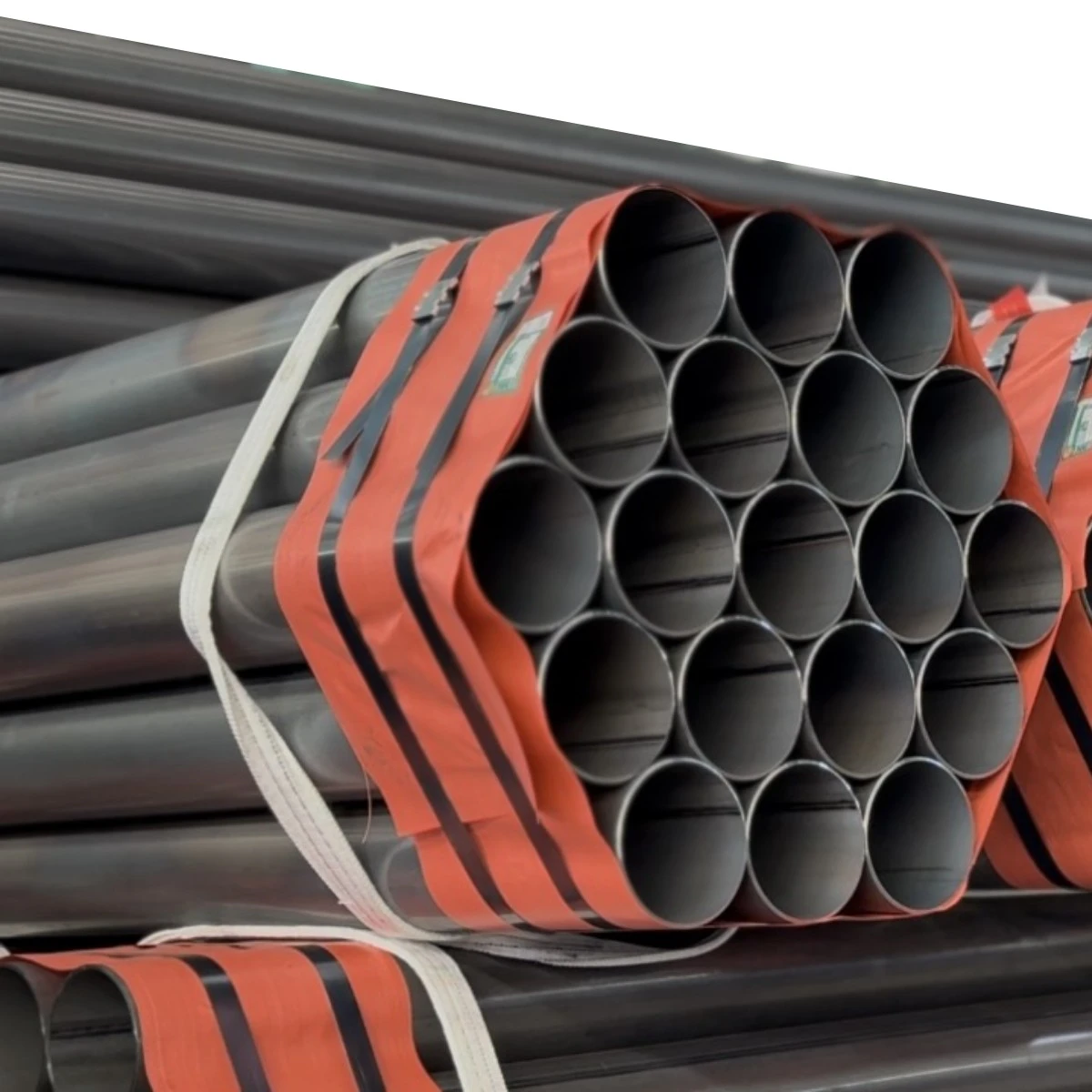
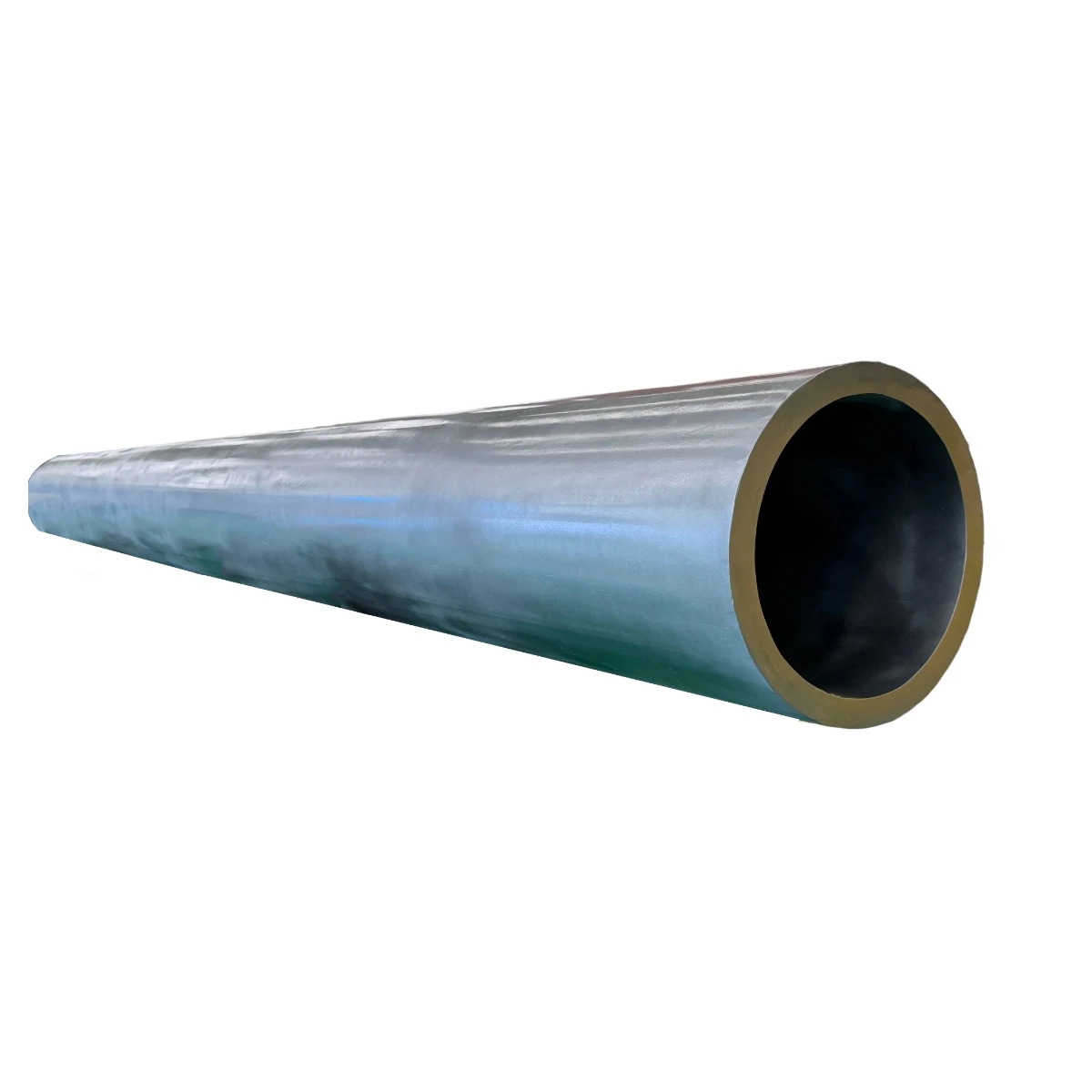
Testing the quality of round steel pipes is a critical step in global steel trade and project construction, directly determining the safety, durability, and performance of the pipes in practical applications. As a widely used hollow steel product in construction, petroleum, automotive, and marine industries, round steel pipes with unqualified quality may lead to pipeline leakage, structural collapse, equipment failure, and other serious risks—causing huge economic losses and project delays. For global buyers, quality inspectors, contractors, and suppliers, mastering scientific and standardized quality testing methods is essential to avoid purchasing unqualified products, ensure compliance with international standards, and maintain long-term cooperative relationships.
1. Appearance Quality Test: Quick On-Site Inspection
Appearance inspection is the simplest and most basic quality test method, suitable for on-site spot checks, warehouse inspections, and preliminary screening of round steel pipes. It mainly focuses on the surface condition and overall integrity of the pipes, which can be completed by naked eyes or simple tools.
Key inspection points include: ① Surface condition: Check for oxide scales, rust spots, scratches, dents, cracks, and welding defects (for welded round steel pipes, such as incomplete penetration, slag inclusion, and weld bead unevenness). Qualified round steel pipes should have a clean surface (after surface treatment) or uniform oxide scales (for unprocessed pipes), without obvious defects. ② Pipe ends: Check if the pipe ends are flat, free of burrs, and perpendicular to the pipe axis—uneven or burr-filled ends will affect installation and sealing. ③ Straightness: Place the round steel pipe on a flat surface, observe whether there is obvious bending; for high-precision requirements, use a straight edge or laser straightness tester to detect, with deviation not exceeding 1.5mm per meter (compliant with ASTM A53, EN 10219 standards).
2. Dimensional Accuracy Test: Ensure Compliance with Specifications
Dimensional accuracy is a core quality indicator of round steel pipes, directly affecting their assembly and application effect. For global buyers, checking dimensional parameters is crucial to ensure the pipes match the project design requirements. Common testing tools include calipers, micrometers, tape measures, and laser dimensional measuring instruments.
Key inspection items: ① Outer diameter (OD) and inner diameter (ID): Measure the outer diameter and inner diameter at 3-4 points along the pipe length, ensuring the deviation is within the standard range (e.g., ASTM A106 requires outer diameter deviation ≤±0.1mm for seamless round steel pipes). ② Wall thickness: Use a micrometer to measure the wall thickness at multiple points, ensuring uniform thickness without obvious deviation (wall thickness tolerance generally ≤±0.05mm for high-precision pipes). ③ Length: Use a tape measure to check the pipe length, which should meet the contract requirements (common lengths are 6-12 meters, with deviation ≤±5mm).
3. Mechanical Properties Test: Confirm Strength and Toughness
Mechanical properties determine the load-bearing capacity and service life of round steel pipes, especially in high-pressure, high-load scenarios (such as petroleum pipelines, automotive components). This test requires professional equipment and is usually carried out by manufacturers or third-party inspection institutions, with test results included in the quality inspection report.
Core test items: ① Tensile strength: Test the maximum force the pipe can bear before breaking, with standard requirements varying by material (e.g., carbon steel round steel pipes have a tensile strength of 400-800MPa, stainless steel 304 pipes have a tensile strength ≥515MPa). ② Yield strength: Test the stress at which the pipe begins to deform permanently, ensuring it meets the application’s load-bearing requirements. ③ Elongation: Test the ductility of the pipe, which reflects its ability to resist deformation without breaking—higher elongation means better toughness, suitable for bending and welding.
4. Corrosion Resistance Test: Adapt to Complex Environments
Corrosion resistance is crucial for round steel pipes used in outdoor, marine, or chemical environments. The test method depends on the surface treatment and material of the pipes, ensuring they can resist moisture, seawater, chemicals, and other corrosive media.
Common test methods: ① Salt spray test: For galvanized or painted round steel pipes, spray saltwater (5% NaCl solution) on the surface for 48-72 hours, then check for rust, peeling, or discoloration—qualified pipes should have no obvious corrosion. ② Chromate passivation test: For stainless steel round steel pipes, test the passivation film’s integrity to ensure it resists pitting corrosion. ③ Immersion test: Immerse the pipe in corrosive media (such as acid, alkali) for a certain period, observe the surface condition to evaluate corrosion resistance.
5. Flaw Detection Test: Identify Internal and Hidden Defects
Hidden defects (such as internal cracks, air bubbles, and slag inclusion) cannot be detected by appearance inspection but may lead to pipe failure in use. Flaw detection is essential for high-end, high-pressure round steel pipes (such as seamless petroleum pipelines).
Common flaw detection methods: ① Ultrasonic flaw detection (UT): Use ultrasonic waves to detect internal defects, suitable for seamless and welded round steel pipes, with high accuracy and efficiency. ② X-ray flaw detection (RT): Use X-rays to observe internal defects of the pipe, especially suitable for welding seam inspection (e.g., detecting incomplete penetration and slag inclusion in welded pipes). ③ Magnetic particle flaw detection (MT): Detect surface and near-surface defects (such as cracks), suitable for carbon steel and alloy steel round steel pipes.
6. Key Tips for Global Buyers and Quality Inspectors
1. Combine on-site inspection and professional testing: Use appearance and dimensional tests for quick screening, and entrust third-party institutions to conduct mechanical properties and flaw detection for large-batch, high-value procurement. 2. Confirm compliance with international standards: Require the supplier to provide test reports complying with ASTM, EN, or GB standards, ensuring the pipes meet the project’s quality requirements. 3. Focus on material consistency: Check whether the pipe material matches the contract (e.g., stainless steel 304/316, carbon steel Q235/Q355) through chemical composition analysis. 4. Choose reliable suppliers: Select manufacturers with strict quality control, perfect testing equipment, and a good reputation in cross-border trade.
Conclusion
Testing the quality of round steel pipes requires a combination of appearance, dimensional, mechanical, corrosion resistance, and flaw detection tests. For global users, mastering these methods can effectively avoid procurement risks, ensure the pipes meet application needs, and reduce economic losses caused by unqualified products. By following standardized testing procedures and referring to international standards, buyers and quality inspectors can accurately evaluate the quality of round steel pipes, promote smooth cross-border trade, and ensure the safety and durability of various projects.


Contact Information: +86 15373142593, +86 18031823787, +86 13472220366 (WeChat available)
WhatsApp: +86 15373142593
Address: No. 10, Dongzhuang Village, Nandian Town, Pingshan County, Shijiazhuang, Hebei Province