
Hebei Jingye Precision Pipe Manufacturing Co., Ltd.
Tel:+8615373142593
+8618031823787
+8618932936052
WhatsApp: +86 15373142593
E-mail :steeltube@hbjyjt.com
Add: No. 10, Dongzhuang Village, Nandian Town, Pingshan County, Shijiazhuang City, Hebei Province
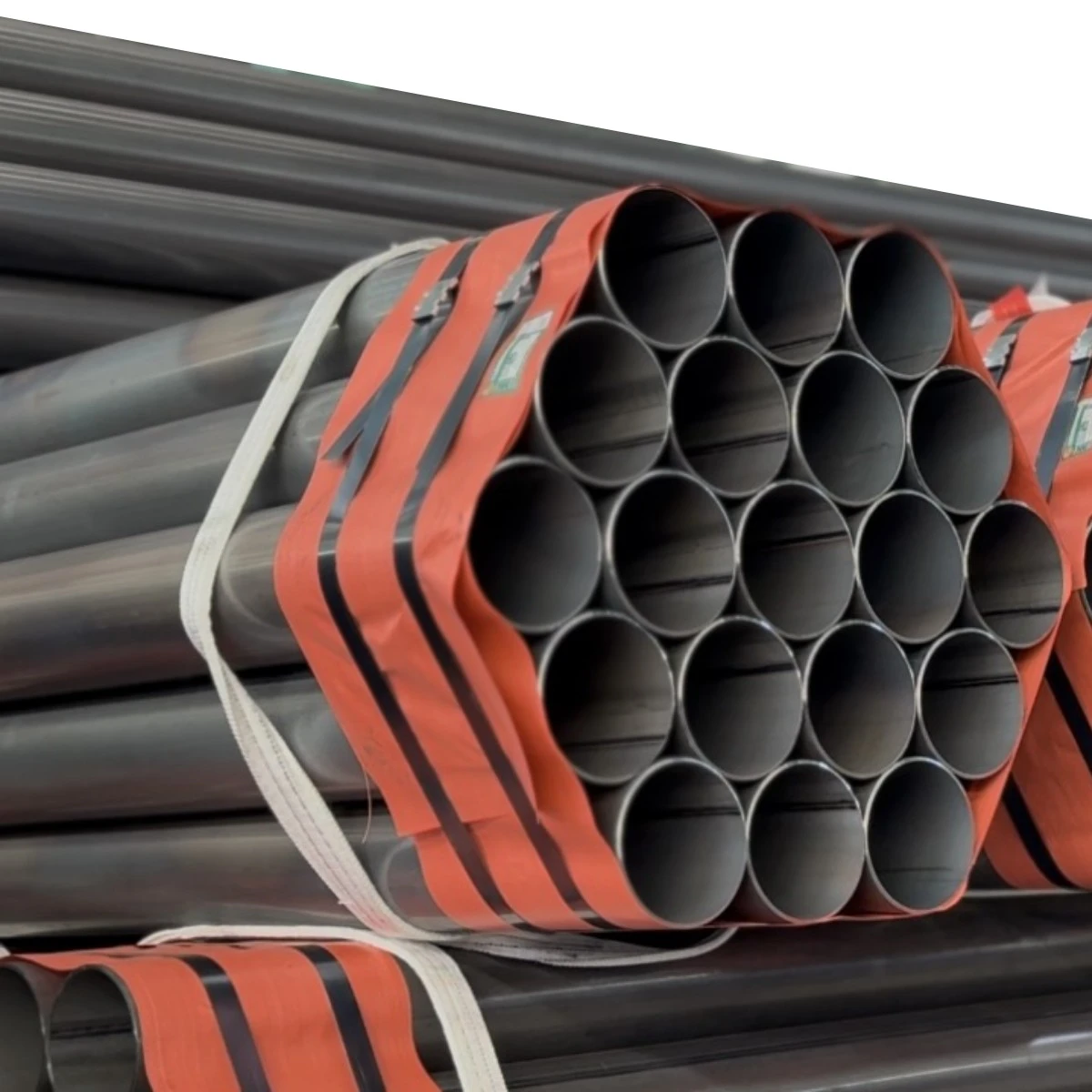
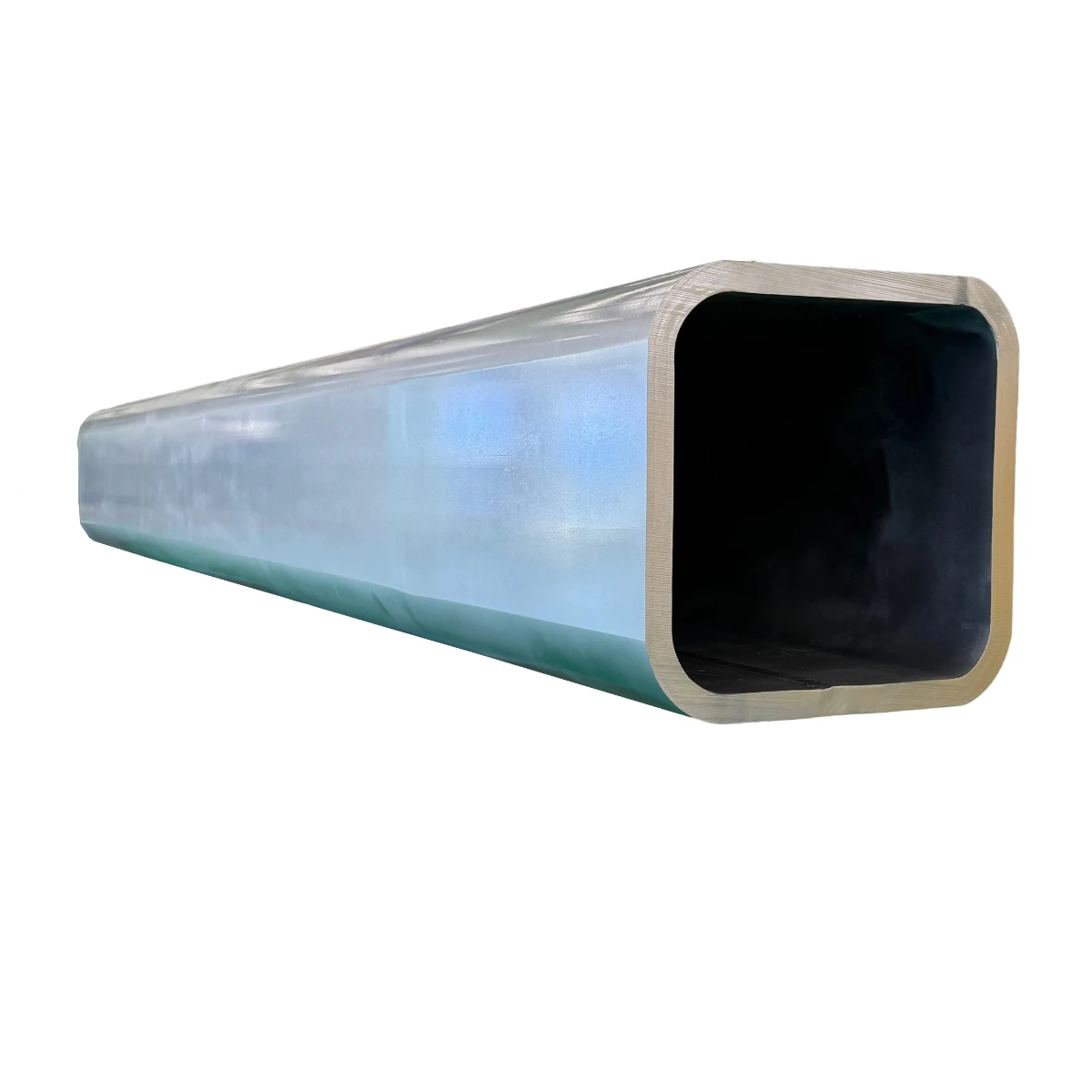
Hot-rolled and cold-rolled square steel pipes are two core types in global steel trade, with obvious differences in production, performance, and application. For global buyers, quality inspectors, and suppliers, accurately distinguishing them is key to selecting the right product, avoiding wrong purchases, and ensuring project quality. This article summarizes simple, practical methods to distinguish the two, covering core differences that meet the needs of cross-border procurement and on-site inspection.
1. Production Process: The Fundamental Distinction
Hot-rolled square steel pipes are produced by heating steel billets to 900℃-1200℃ (above recrystallization temperature) for rolling, forming, and welding. The process is efficient, low-cost, and suitable for mass production of large-specification products, complying with standards like ASTM A500 and EN 10219. Cold-rolled square steel pipes are processed at room temperature, using hot-rolled steel strips as raw materials after annealing. The process is complex, energy-consuming, but achieves high precision, following standards such as ASTM A513 and EN 10210.
2. Appearance: Quick On-Site Distinction
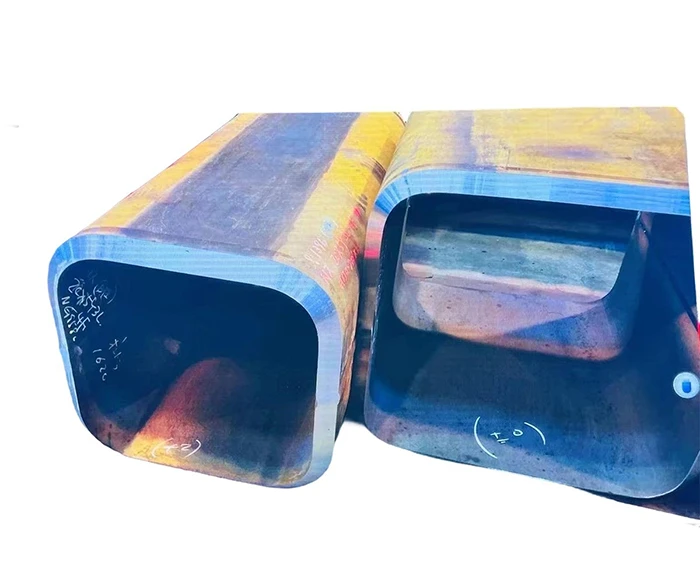
Hot-rolled pipes have a rough surface with black/dark gray oxide scales, rust spots, and slight scratches, requiring subsequent surface treatment (pickling, galvanizing). Their cross-sections are irregular, edges have burrs, and straightness deviation is ≤1.5-2mm per meter. Cold-rolled pipes have a smooth, bright surface without oxide scales, with regular cross-sections, sharp edges, and high straightness (deviation ≤0.5-1.0mm per meter), usable directly without additional treatment.
3. Mechanical Properties & Specifications
Hot-rolled pipes have high toughness and plasticity, tensile strength of 400-800MPa, suitable for bending and welding. They come in large specifications (side length 20-500mm, wall thickness 1.0-25mm), ideal for heavy-load scenarios. Cold-rolled pipes have higher strength (tensile strength 650-1200MPa) due to cold hardening but poor toughness. They are small-spec (side length 10-200mm, wall thickness 0.3-1.5mm), suitable for precision needs.
4. Application Scenarios
Hot-rolled square steel pipes are widely used in large-scale structural projects: building frames, bridge supports, heavy machinery components, shipbuilding, and petrochemical equipment. Cold-rolled pipes are used in high-end fields: automotive parts, precision machinery, decorative railings, furniture frames, and electronic equipment brackets.
5. Practical Tips for Global Buyers
1. On-site inspection: Rough surface + large specs = hot-rolled; smooth surface + small specs = cold-rolled. 2. Match with projects: Choose hot-rolled for structural projects, cold-rolled for precision/decorative needs. 3. Professional testing: Use hardness tests (cold-rolled HV 180-250; hot-rolled HV 100-150) or dimensional detection for accuracy. 4. Clarify contract requirements and choose reliable suppliers with test reports.
Conclusion
Distinguishing hot-rolled and cold-rolled square steel pipes relies on production process, appearance, performance, and application. Hot-rolled pipes excel in toughness and cost-effectiveness for large structures; cold-rolled pipes prioritize precision and strength for high-end scenarios. Mastering these methods helps global users reduce procurement risks, improve efficiency, and promote smooth cross-border steel trade.


Contact Information: +86 15373142593, +86 18031823787, +86 13472220366 (WeChat available)
WhatsApp: +86 15373142593
Address: No. 10, Dongzhuang Village, Nandian Town, Pingshan County, Shijiazhuang, Hebei Province