
Hebei Jingye Precision Pipe Manufacturing Co., Ltd.
Tel:+8615373142593
+8618031823787
+8618932936052
WhatsApp: +86 15373142593
E-mail :steeltube@hbjyjt.com
Add: No. 10, Dongzhuang Village, Nandian Town, Pingshan County, Shijiazhuang City, Hebei Province
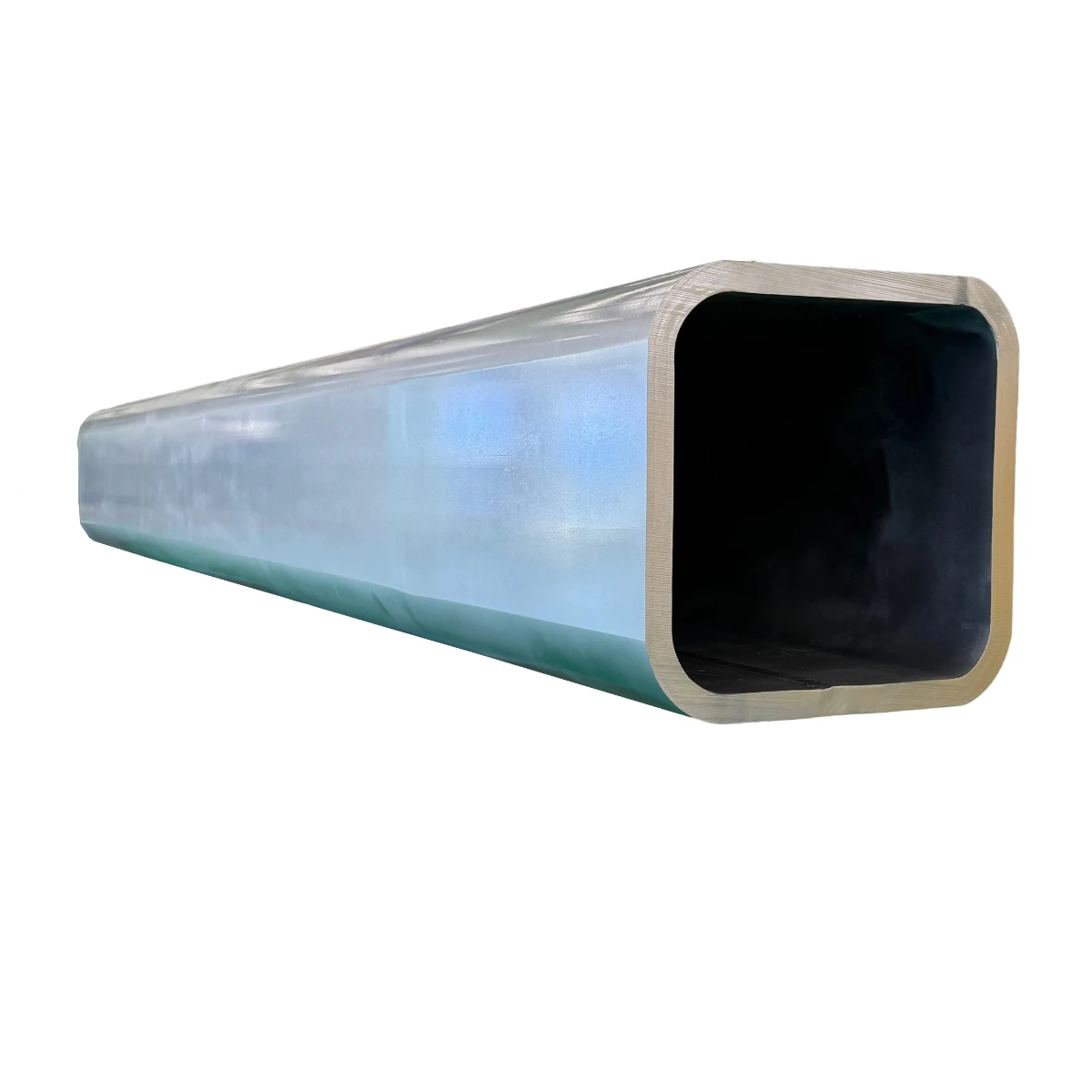
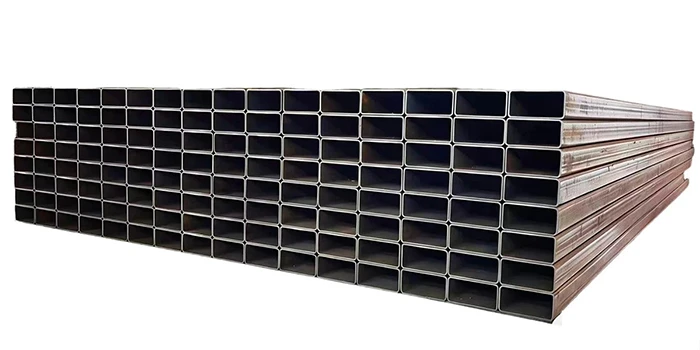
Rusting is a common problem that affects the service life, performance, and appearance of square steel pipes, especially those used in outdoor, humid, or corrosive construction and industrial environments. For global buyers, contractors, and project managers, effectively preventing square steel pipes from rusting is crucial to reducing maintenance costs, ensuring structural safety, and extending the service life of projects. Square steel pipes, mainly made of carbon steel, stainless steel, or other alloys, are prone to oxidation when exposed to oxygen, moisture, and harmful substances, leading to rust and structural damage. This article details practical, cost-effective methods to prevent square steel pipes from rusting, tailored to the needs of global users in construction, machinery, and marine industries.
1. Choose the Right Material for Different Environments
The first step to prevent square steel pipes from rusting is to select the appropriate material based on the application environment, which is a fundamental and cost-effective preventive measure. Different materials have different corrosion resistance, and matching the material to the environment can significantly reduce the risk of rust.
For general indoor environments with low humidity (such as indoor building frames, handrails), ordinary carbon steel square pipes (Q235, Q355) can meet the needs, but additional surface treatment is still recommended. For outdoor, humid, or slightly corrosive environments (such as outdoor scaffolding, curtain wall supports), galvanized square steel pipes (hot-dip galvanized or electro-galvanized) are preferred—galvanizing forms a protective zinc layer on the surface, isolating the steel from oxygen and moisture.
For harsh corrosive environments (such as marine engineering, chemical plants, or coastal areas), stainless steel square pipes (304, 316) are the best choice. Stainless steel contains chromium and nickel, which form a dense oxide film on the surface, effectively resisting corrosion from seawater, chemicals, and humid air. Although stainless steel square pipes have a higher cost, they can avoid frequent maintenance and replacement, saving long-term costs for projects.
2. Apply Professional Surface Treatment
Surface treatment is the most widely used method to prevent square steel pipes from rusting, as it forms a protective layer on the surface of the steel pipe, isolating it from corrosive factors. Common surface treatment methods for square steel pipes include galvanizing, painting, powder coating, and chrome plating, each suitable for different scenarios and budgets.
Hot-dip galvanizing is one of the most effective surface treatment methods for square steel pipes. The process involves immersing the square steel pipe in molten zinc, forming a thick, uniform zinc layer (20-50μm) on the surface. The zinc layer not only isolates oxygen and moisture but also has a sacrificial anode effect—even if the zinc layer is slightly damaged, the zinc will corrode first, protecting the steel pipe. Hot-dip galvanized square steel pipes have a service life of 15-30 years in outdoor environments, making them ideal for large-scale construction projects.
Electro-galvanizing is another common galvanizing method, which uses electrolysis to deposit a thin zinc layer (5-10μm) on the surface of the square steel pipe. It has a smooth surface and lower cost than hot-dip galvanizing, suitable for indoor or low-corrosion outdoor environments (such as residential handrails, indoor pipe supports).
Painting and powder coating are also effective surface treatment methods. High-quality anti-rust paint (such as epoxy paint, polyurethane paint) forms a protective film on the surface, preventing corrosion. Powder coating uses electrostatic spraying to attach dry powder to the surface of the steel pipe, which has strong adhesion, wear resistance, and corrosion resistance, and is suitable for square steel pipes with high aesthetic requirements (such as curtain walls, decorative railings).
3. Strict Quality Control During Production and Processing
The rust prevention of square steel pipes starts from the production and processing stage. Strict quality control during production can reduce the defects of the steel pipe surface, avoiding the occurrence of rust from the source.
First, ensure the quality of raw materials. The raw steel billets or steel plates used to produce square steel pipes should meet international standards, with no impurities, cracks, or defects, which can avoid local corrosion caused by surface defects. Second, during the rolling, welding, and forming process, avoid surface scratches, dents, or welding defects—these defects will destroy the surface integrity of the steel pipe, making it easy for moisture and oxygen to penetrate, leading to rust.
In addition, after production, the square steel pipes should be thoroughly cleaned (such as pickling, derusting) to remove surface oxide scales, oil stains, and dust, which is a prerequisite for effective surface treatment. Any residue on the surface will affect the adhesion of the protective layer (zinc layer, paint film), reducing the rust prevention effect.
4. Proper Storage and Transportation
Improper storage and transportation are important factors leading to the rust of square steel pipes before use. During storage and transportation, square steel pipes are easily exposed to moisture, rain, and dust, leading to surface oxidation and rust. Therefore, proper storage and transportation measures are essential to maintain the rust prevention performance of square steel pipes.
When storing square steel pipes, they should be placed in a dry, ventilated, and covered warehouse, away from humid areas, chemicals, and saltwater. The steel pipes should be placed on a wooden or steel bracket, keeping them away from the ground (at least 10cm) to prevent moisture from the ground from eroding the surface. For galvanized or painted square steel pipes, avoid stacking them too tightly to prevent scratches on the protective layer during storage.
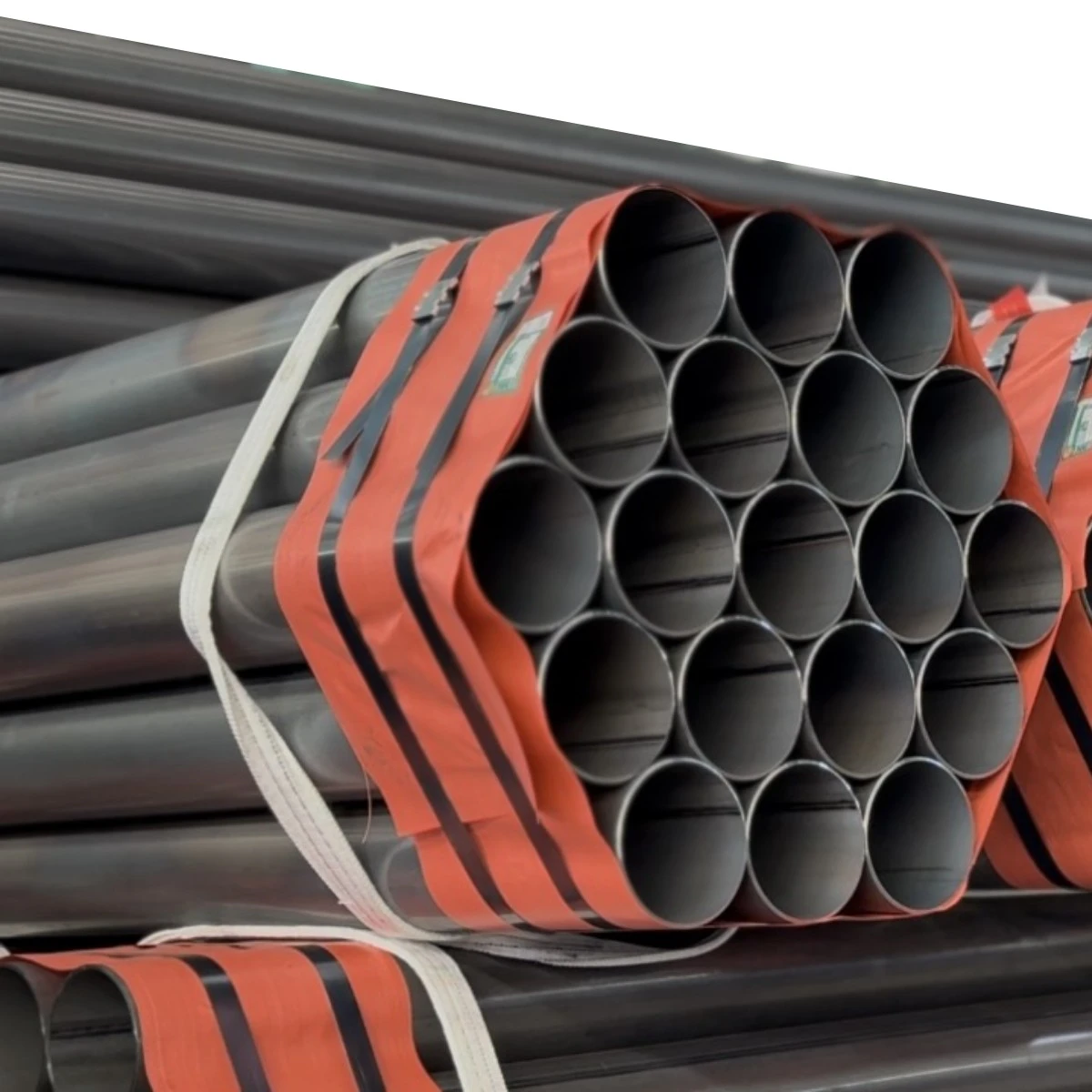
During transportation, square steel pipes should be covered with waterproof cloth to prevent rain, snow, and seawater (for marine transportation) from soaking. Avoid collision and friction between steel pipes during loading and unloading, which may damage the surface protective layer. For long-distance transportation, especially marine transportation, additional anti-corrosion packaging (such as plastic film wrapping) can be used to enhance the rust prevention effect.
5. Regular Inspection and Maintenance
Even with proper material selection and surface treatment, square steel pipes may still rust after long-term use due to wear, damage, or harsh environmental factors. Regular inspection and maintenance can timely find and deal with potential rust problems, extending the service life of the steel pipes.
For square steel pipes used in outdoor or corrosive environments, it is recommended to conduct regular inspections (quarterly or annually) to check the integrity of the surface protective layer. If the zinc layer or paint film is found to be damaged, scratched, or peeling, it should be repaired in time: clean the rusted area, polish it smoothly, and then apply anti-rust paint or zinc-rich paint to restore the protective layer.
In addition, for square steel pipes used in humid or chemical environments, regular cleaning is necessary to remove surface dust, dirt, and chemical residues, which can reduce the corrosion of the steel pipe surface. For stainless steel square pipes, avoid contact with corrosive substances (such as hydrochloric acid, sodium chloride) and clean the surface with clean water regularly to maintain the integrity of the oxide film.
6. Avoid Contact with Corrosive Substances
Square steel pipes should be avoided from direct contact with corrosive substances during use, which is an important measure to prevent rust. In construction and industrial projects, square steel pipes should be kept away from chemicals (such as acids, alkalis, salts), seawater, and sewage, which can accelerate the oxidation and corrosion of the steel pipe.
For example, in coastal construction projects, square steel pipes used outdoors should be installed away from the sea breeze as much as possible, or additional anti-corrosion measures (such as thick galvanizing, stainless steel material) should be adopted. In chemical plants, square steel pipes should be isolated from chemical pipelines and storage tanks to avoid leakage of corrosive substances contacting the steel pipes.
Guide for Global Buyers and Practitioners
Preventing square steel pipes from rusting requires a combination of material selection, surface treatment, production control, storage transportation, and regular maintenance. Global buyers should choose the appropriate rust prevention method based on the application environment, project budget, and service life requirements: for high-demand, long-term projects in harsh environments, stainless steel square pipes or hot-dip galvanized square pipes are recommended; for general indoor or low-corrosion projects, electro-galvanized or painted square steel pipes can meet the needs.
In addition, choosing a reliable steel pipe manufacturer is crucial. A professional manufacturer will strictly control the production process, provide high-quality surface treatment, and offer technical guidance on rust prevention, ensuring that the square steel pipes can maintain good performance in long-term use. With scientific rust prevention measures, square steel pipes can effectively avoid rust, reduce maintenance costs, and provide strong support for the safety and durability of global construction and industrial projects.


Contact Information: +86 15373142593, +86 18031823787, +86 13472220366 (WeChat available)
WhatsApp: +86 15373142593
Address: No. 10, Dongzhuang Village, Nandian Town, Pingshan County, Shijiazhuang, Hebei Province