
Hebei Jingye Precision Pipe Manufacturing Co., Ltd.
Tel:+8615373142593
+8618031823787
+8618932936052
WhatsApp: +86 15373142593
E-mail :steeltube@hbjyjt.com
Add: No. 10, Dongzhuang Vilage, Nandian Town, Pingshan County, Shijiazhuang City, Hebei Province
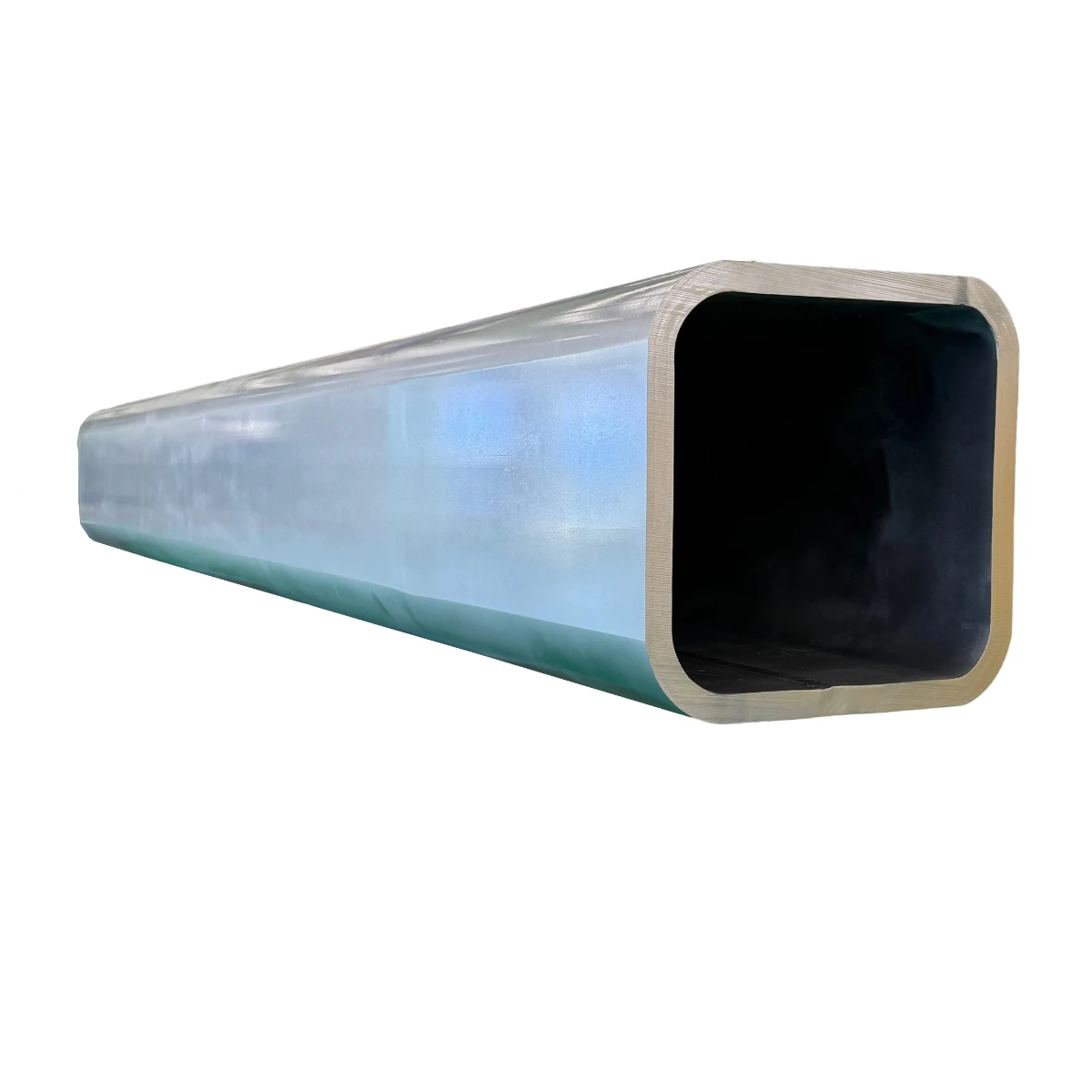
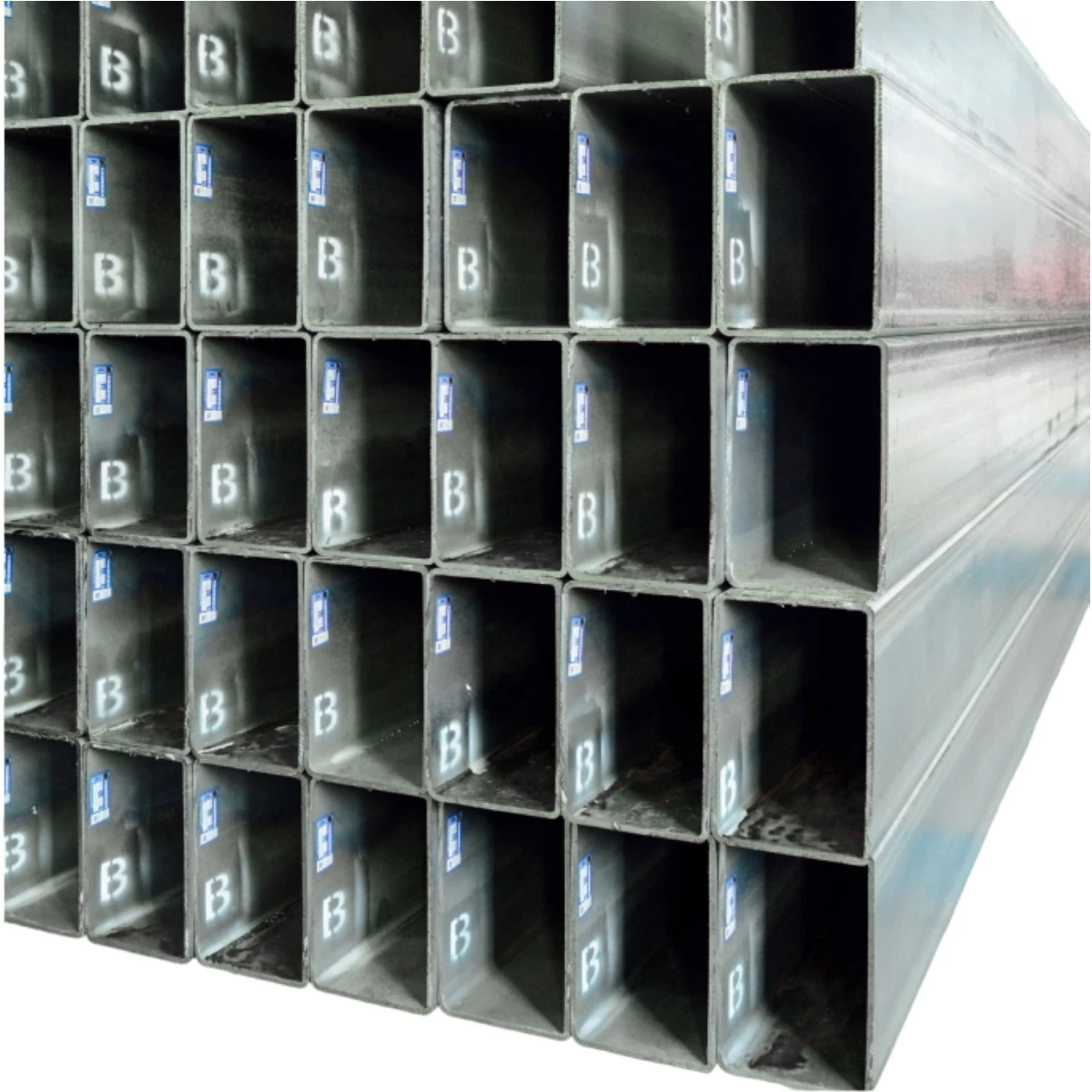
Square steel tubes, also known as square pipes, are widely used profile materials in building steel structures, curtain wall projects, mechanical equipment, municipal supports, and guardrail construction. Featuring regular cross-sections, balanced load-bearing capacity, good welding adaptability, and stable structural performance, square steel tubes serve as essential main materials in industrial and civil engineering projects. When selecting materials and planning maintenance for engineering projects, practitioners often focus on the service life of square steel tubes to evaluate project cycles, maintenance costs, and replacement schedules. In fact, square steel tubes do not have a fixed service life. Their durability is affected by multiple factors, including material technology, surface protection, service environment, construction installation, and daily maintenance. This article combines practical engineering working conditions to explain the conventional service life range of square steel tubes and analyze key influencing factors and scientific life extension methods.
1. Service Life of Square Steel Tubes by Processing Technology
Common square steel tubes on the market include uncoated black tubes, hot-dip galvanized square tubes, painted anti-corrosion square tubes, and seamless square tubes. Different processing and anti-corrosion technologies lead to significant differences in service life and applicable engineering scenarios.
1.1 Ordinary Uncoated Black Square Steel Tubes
Ordinary black square tubes have no anti-corrosion coating and retain the original steel surface. They are suitable for enclosed indoor environments that are dry, corrosion-free, and free from water accumulation. Under standard dry indoor conditions, their service life ranges from 5 to 10 years. In humid and poorly ventilated indoor environments, the tubes are prone to oxidation, rusting, and surface peeling, shortening the service life to 3 to 5 years. These tubes are not suitable for open-air, coastal, or chemical corrosive environments and are mostly used for temporary structures and simple indoor supports.
1.2 Painted Anti-Corrosion Square Steel Tubes
Painted square tubes are treated with single or multi-layer paint coating based on black steel tubes, providing a cost-effective anti-corrosion solution. In dry indoor environments, the service life ranges from 10 to 15 years. In ordinary outdoor environments, wind, temperature changes, and ultraviolet radiation gradually cause paint aging and peeling, resulting in a service life of 6 to 10 years. Regular repainting maintenance is required to extend the service cycle.
1.3 Hot-Dip Galvanized Square Steel Tubes
Hot-dip galvanized square tubes are mainstream materials for outdoor engineering. A dense zinc layer is formed through high-temperature galvanizing, which blocks corrosive media based on the sacrificial anode protection principle and delivers reliable anti-corrosion performance. In ordinary atmospheric outdoor and dry municipal environments, their service life can reach more than 20 years. In slightly humid and dusty outdoor conditions, the stable service life ranges from 15 to 20 years. With proper maintenance, they can serve more than 10 years even in coastal light salt spray environments, making them highly durable square tube products.
1.4 High-Strength Seamless Square Steel Tubes
High-strength seamless square tubes such as Q355 and Q550 feature dense base materials and stable mechanical properties. With standard anti-corrosion treatment, their structural durability is greatly improved. They are widely used in heavy-duty steel structures, equipment bases, and load-bearing parts of key projects. Under standardized construction and regular maintenance, these tubes can achieve a service life of 20 to 30 years, with better structural stability than ordinary welded square tubes.
2. Core Factors Affecting the Service Life of Square Steel Tubes
The actual service life of square steel tubes is not solely determined by material technology. Working conditions, construction quality, and operation and maintenance methods directly affect the aging rate of steel tubes and are essential factors in engineering applications.
2.1 Differences in Service Environment
The degree of corrosion damage increases gradually in dry indoor environments, ordinary atmospheric outdoor environments, coastal salt spray environments, and chemical corrosive environments. Indoor environments without moisture and corrosive media minimize steel oxidation and ensure longer service life. Open-air exposure to rainwater scouring, ultraviolet radiation, and temperature alternation accelerates the aging of surface protective layers. Coastal salt spray, chemical acid-base gas, and long-term water accumulation greatly intensify electrochemical corrosion and significantly shorten the service cycle.
2.2 Quality of Surface Anti-Corrosion Protection
The integrity, uniformity, and adhesion of anti-corrosion coatings determine the service life of outdoor square tubes. Insufficient or missing galvanization, damaged zinc layers, peeling, cracking, and falling off of paint coatings expose the steel substrate directly to air, leading to rapid rusting and corrosion. Standard anti-corrosion processes effectively isolate air, moisture, and corrosive substances and delay material aging.
2.3 Standardization of Construction and Installation
Standard construction operations directly affect long-term durability. Cutting, drilling, and welding without timely anti-corrosion repair will form local weak corrosion points. Uneven stress, structural distortion, and welding stress concentration accelerate deformation and rusting. Improper support layout that causes dust and water accumulation will also speed up tube damage.
2.4 Material Grade and Wall Thickness
Under the same working conditions and protection standards, thick-wall square tubes offer better corrosion resistance and longer service cycles than thin-wall tubes. Q355 high-strength square tubes feature better structural stability and corrosion fatigue resistance than ordinary Q235 materials, with lower long-term deformation and rust rates and more stable overall service performance.
3. Practical Methods to Extend the Service Life of Square Steel Tubes
In engineering applications, scientific material selection, standardized construction, and regular maintenance can effectively delay oxidation and corrosion, extend the actual service life of square steel tubes, and reduce renovation and replacement costs.
3.1 Select Appropriate Materials According to Working Conditions
Ordinary black square tubes can be adopted for temporary indoor structures to control costs. Basic paint anti-corrosion treatment is recommended for long-term fixed indoor structures. Hot-dip galvanized square tubes are preferred for outdoor municipal, curtain wall, and guardrail projects. For coastal and chemically corrosive environments, thickened galvanized tubes or high-strength square tubes with heavy-duty anti-corrosion coatings can be selected to match complex working conditions.
3.2 Complete Anti-Corrosion Repair During Construction
Cutting, welding, and drilling will damage the original anti-corrosion layer. Timely repair with professional anti-rust and zinc paint is required to avoid exposure of bare steel. Welding joints shall be polished smoothly before recoating to prevent localized rust diffusion and maintain the integrity of the overall anti-corrosion system.
3.3 Keep the Working Environment Dry and Clean
Regularly clean dust, debris, and accumulated water on the tube surface to avoid long-term moisture attachment. Design steel structure supports with reasonable drainage slopes to prevent water soaking and reduce the accumulation of corrosive substances, slowing down oxidation and corrosion.
3.4 Implement Regular Inspection and Maintenance
Outdoor square tubes require annual visual inspection. Timely polishing, derusting, and recoating are necessary when paint peeling, local rust spots, or galvanized layer wear are found. Routine maintenance restrains rust expansion and effectively prolongs the overall service life of square steel tubes.
Conclusion
The service life of square steel tubes is determined by material technology, anti-corrosion measures, service environment, and daily maintenance. The reference service life ranges are as follows: 3–10 years for indoor uncoated tubes, 6–15 years for painted anti-corrosion tubes, 15–20+ years for outdoor hot-dip galvanized tubes, and 20–30 years for high-strength seamless anti-corrosion tubes. In engineering projects, selecting materials according to actual scenarios, standardizing anti-corrosion construction, and conducting regular maintenance can effectively delay corrosion and aging, stabilize structural performance, extend service cycles, reduce operation and replacement costs, and ensure long-term safe and stable operation of steel structure projects.


Contact Information: +86 15373142593, +86 18031823787, +86 13472220366 (WeChat available)
WhatsApp: +86 15373142593
Address: No. 10, Dongzhuang Village, Nandian Town, Pingshan County, Shijiazhuang, Hebei Province