
Hebei Jingye Precision Pipe Manufacturing Co., Ltd.
Tel:+8615373142593
+8618031823787
+8618932936052
WhatsApp: +86 15373142593
E-mail :steeltube@hbjyjt.com
Add: No. 10, Dongzhuang Vilage, Nandian Town, Pingshan County, Shijiazhuang City, Hebei Province
Hot-rolled and cold-rolled round steel pipes are two mainstream seamless pipe types, differing greatly in production process, surface quality, dimensional accuracy, mechanical properties and application scenarios. Below is a practical, field-friendly identification guide.
Hot-rolled round steel pipesManufactured above the steel recrystallization temperature. The steel billet is pierced and rolled at high temperature, with large deformation allowance and simple process.
Cold-rolled (cold-drawn) round steel pipesProcessed at room temperature based on hot-rolled blank pipes. Cold working improves precision and surface finish, with subsequent annealing treatment to eliminate internal stress.
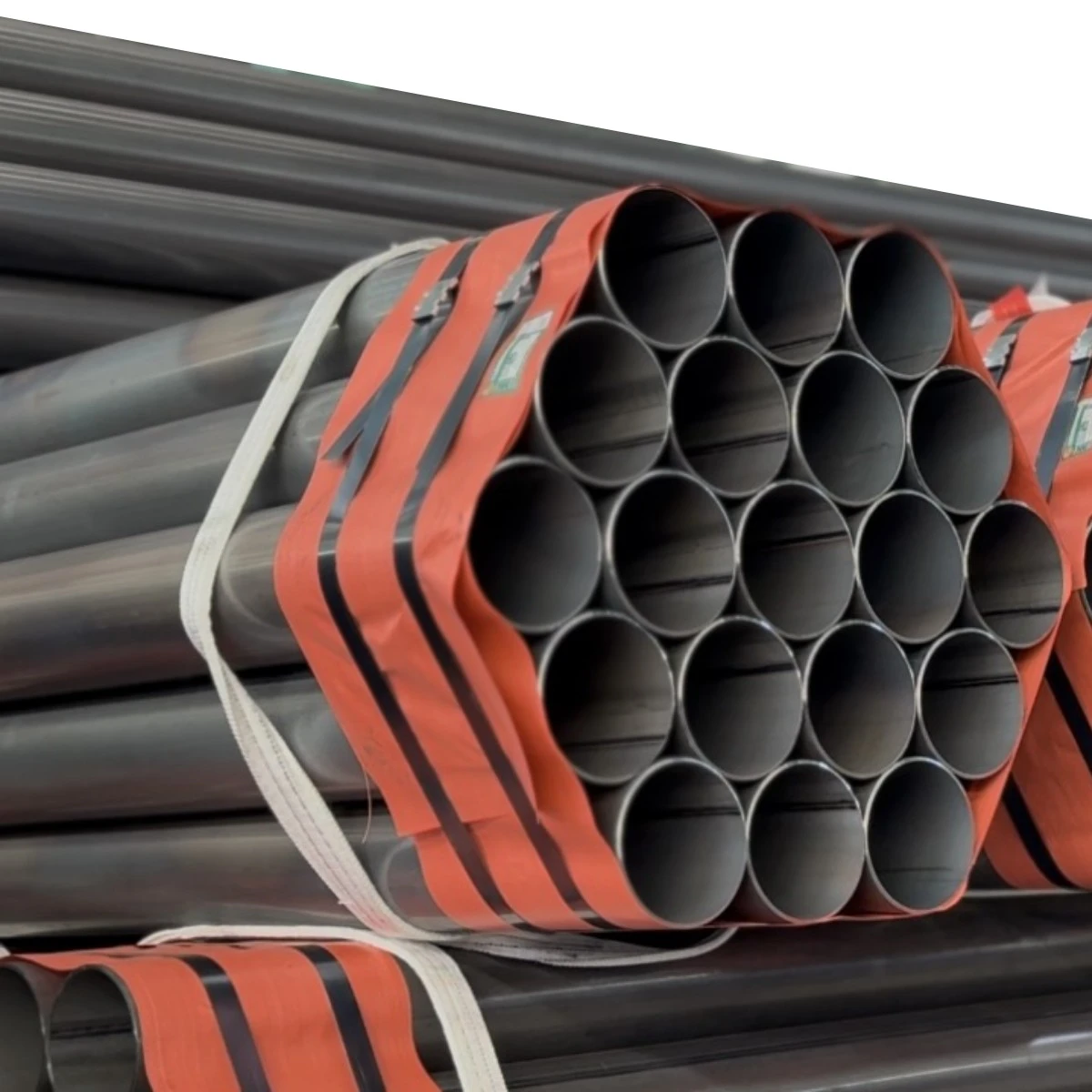
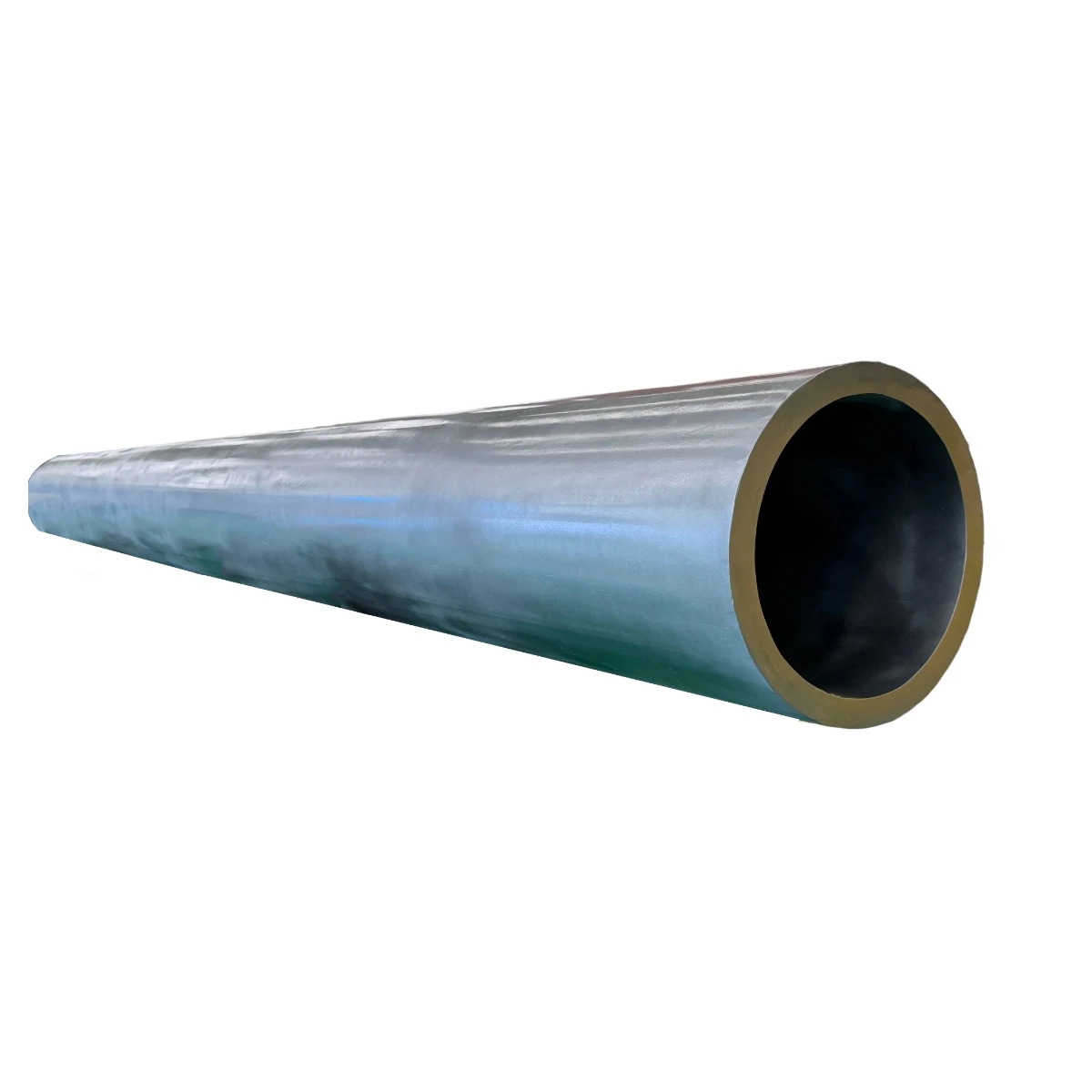
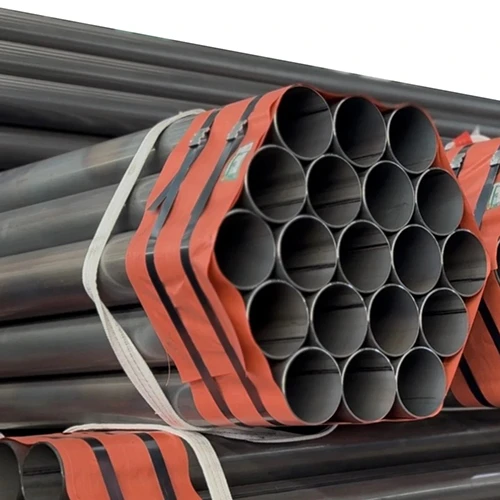
Hot-rolled round pipesThe surface is relatively rough with visible oxidation scale and slight unevenness. Color is dark and dim, with no bright metallic luster. End faces may have minor burrs and uneven wall thickness visually.
Cold-rolled round pipesThe surface is smooth, clean and bright with uniform metallic texture. No thick oxide layer. The overall appearance is neat with flat end faces and fewer surface defects.
Hot-rolled pipesLarge dimensional tolerance, unstable wall thickness, obvious outer diameter deviation. Thermal shrinkage after cooling causes minor shape errors, not suitable for high-precision matching.
Cold-rolled pipesTight tolerance range, uniform wall thickness, accurate outer and inner diameter. Straightness and roundness perform steadily, meeting precision assembly requirements.
Hot-rolled pipesLow internal stress, good plasticity and toughness, easy secondary processing such as bending and welding. Suitable for general structural bearing.
Cold-rolled pipesCold working brings work hardening, delivering higher hardness and tensile strength. Internal stress is relatively higher; large bending or stamping may cause cracking without annealing.
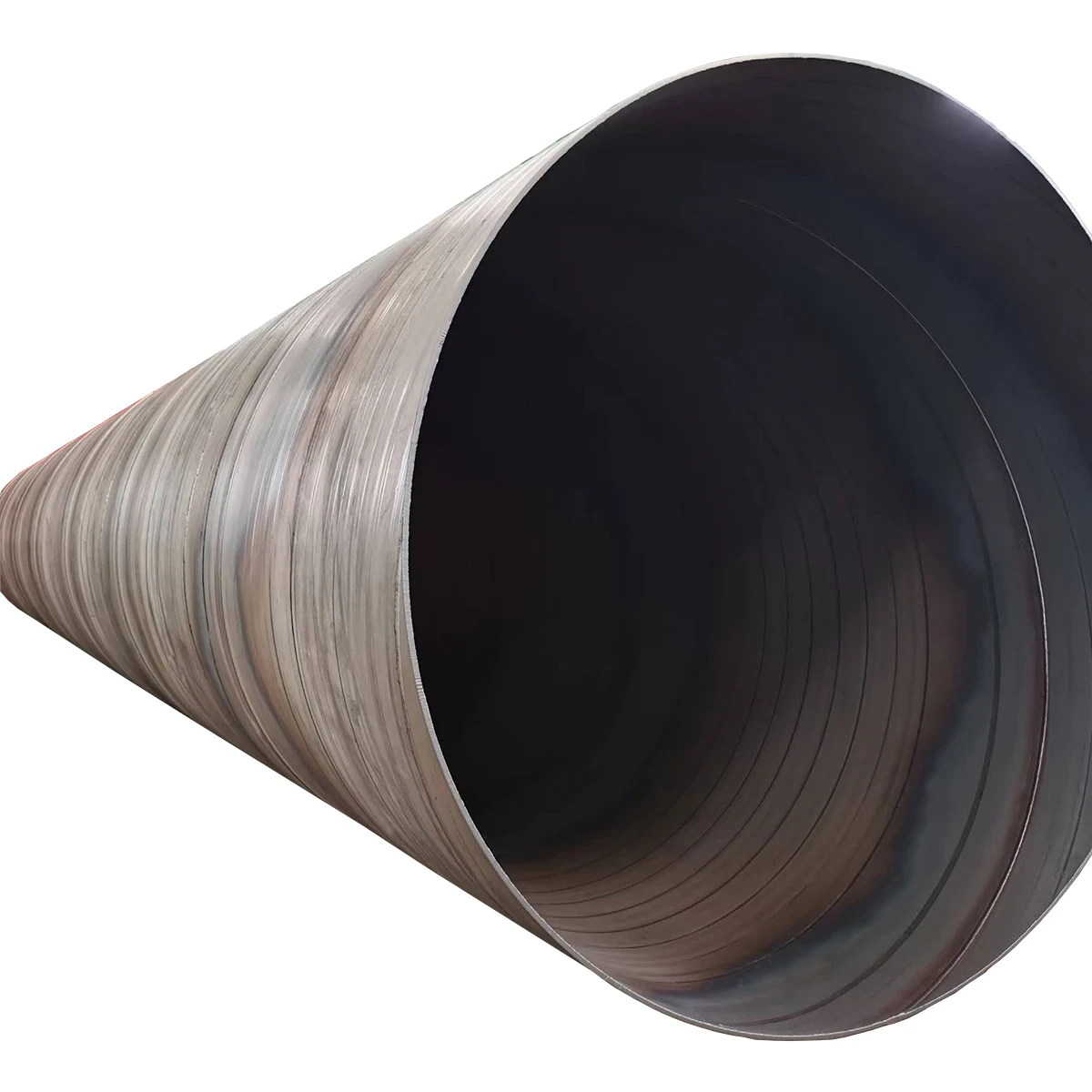
Hot-rolled round steel pipes are commonly available in large diameters and thick walls. Cold-rolled products are more concentrated in small-diameter, thin-wall specifications with lighter single-tube weight.
Hot-rolled round pipes: Widely used for structural engineering, pipeline transportation, general mechanical supports, scenarios with no strict surface and precision requirements.
Cold-rolled round pipes: Applied in precision machinery, hydraulic equipment, automobile parts, instrument accessories and other fields requiring smooth surface and high dimensional accuracy.
Rough surface, dark color, large tolerance → Hot-rolled
Bright smooth surface, high precision, uniform size → Cold-rolled
For heavy-load general structures → Choose hot-rolled pipes
For precision assembly and fine processing → Choose cold-rolled pipes


Contact Information: +86 15373142593, +86 18031823787, +86 13472220366 (WeChat available)
WhatsApp: +86 15373142593
Address: No. 10, Dongzhuang Village, Nandian Town, Pingshan County, Shijiazhuang, Hebei Province